Pro Techniques
The Cold-Pan Technique for Crisp Duck Breast & Bacon
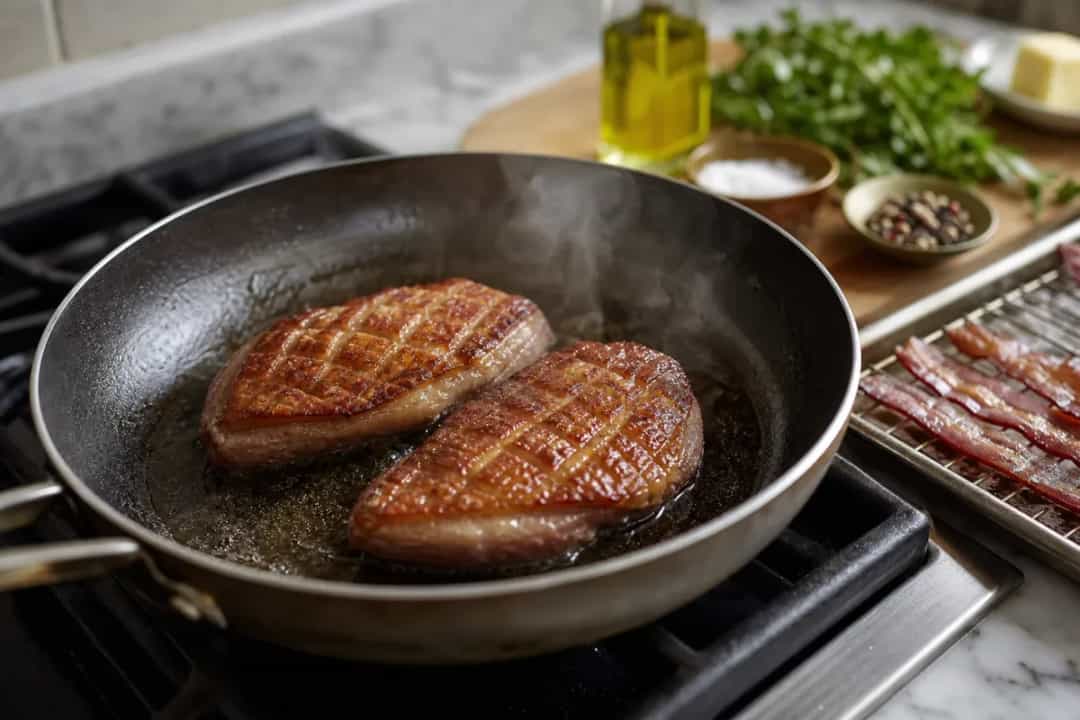
The cold-pan technique is a game changer when it comes to achieving crispy skin on duck breast and perfectly rendered bacon. By starting your cooking process in a cold pan, you allow the fat to render slowly, leading to a beautifully crisp texture and rich flavor.
How the Cold-Pan Technique Works
Using a cold pan helps to gradually raise the temperature of the fat, which renders it out effectively. This method not only prevents sticking but also enhances the overall taste of your dish.
Steps to Master the Technique:
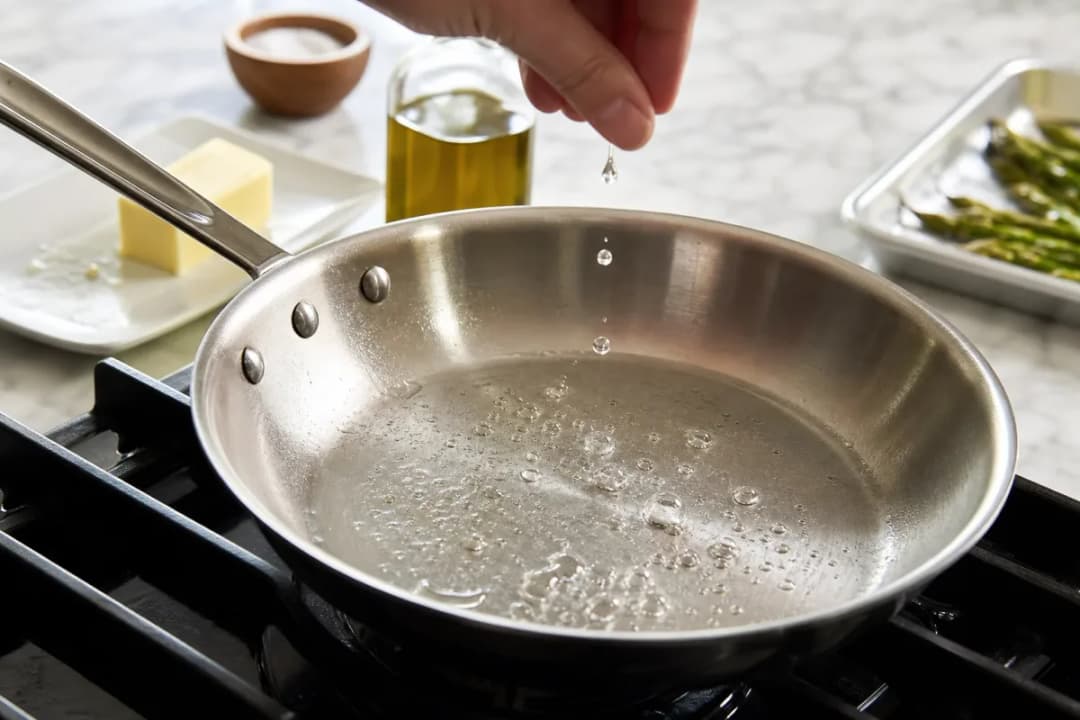
- Start with a Cold Pan: Place your duck breast or bacon in a cold, dry skillet. No oil or butter is necessary.
- Turn on the Heat: Set the burner to medium-low. This allows the fat to render without burning the meat.
- Cook Slowly: Let it simmer for about 10-15 minutes, depending on the thickness, flipping occasionally. Watch as the fat begins to melt away.
- Increase the Heat: Once most of the fat is rendered, increase the heat to medium-high to crisp the skin for the last few minutes.
- Rest Before Slicing: After cooking, allow the meat to rest for 5 minutes before slicing to keep it juicy.
Benefits of the Cold-Pan Technique
- Prevents Sticking: Starting cold reduces the risk of your meat sticking to the pan.
- Enhances Flavor: Slow rendering allows for deeper flavors to develop.
- Better Texture: Achieves a crispy exterior without overcooking the meat inside.
Comparison of Cooking Methods
| Item | Cold-Pan Method | Traditional Method | Notes |
|---|---|---|---|
| Duck Breast | Crispy skin | Soggy skin | More time required |
| Bacon | Perfectly crispy | Greasy and uneven | Fat rendered evenly |
Pro Tips
- Use a Cast Iron Skillet: For the best heat retention and even cooking, use a cast iron skillet.
- Score the Skin: For duck, lightly score the skin before cooking to help render more fat and create a crispier texture.
- Avoid Adding Salt Initially: Adding salt before cooking can draw out moisture, leading to soggy results. Wait until after cooking.
Safety Note
When cooking bacon, be cautious of splattering fat. Always use a splatter guard if needed, and ensure the pan is stable on the burner to avoid spills.
Conclusion
Try the cold-pan technique for your next duck breast or bacon dish to elevate your cooking. With just a few easy steps, you can achieve deliciously crispy results that will impress anyone at your table.
Frequently Asked Questions
- How does the cold-pan technique work?
- The cold-pan technique allows fat to render slowly, preventing sticking and enhancing flavors while achieving a crispy texture.
- Can I use this method for other meats?
- Yes, the cold-pan technique can work well for fatty meats like chicken thighs and pork belly to achieve similar crispy results.
- How long should I cook duck breast in a cold pan?
- Cook duck breast for about 10-15 minutes on medium-low heat, then increase to medium-high for the last few minutes to crisp the skin.
- What type of skillet is best for this technique?
- A cast iron skillet is ideal due to its heat retention and even cooking properties, but any heavy skillet will work.
- Should I add oil when using the cold-pan method?
- No, start with a dry pan and let the fat from the meat render naturally for the best results.