Tips & Tricks
How Many Grams Are in 1 Cup of Milk? Your Essential Kitchen Conversion Guide
Convert instantly: Cups to Grams tool
Introduction
When it comes to cooking and baking, precision is key. One common question that arises in the kitchen is: "How many grams are in a cup of milk?" Whether you’re following a recipe or creating your own culinary masterpiece, knowing this conversion will help ensure your dishes turn out just right.
The Basics of Measuring Milk
Milk is a staple ingredient in countless recipes, from creamy sauces to baked goods. However, not all ingredients are created equal when it comes to measurement. Understanding how to translate volume measurements (like cups) into weight measurements (like grams) is crucial for accurate results.
Why the Conversion Matters
- Baking Precision: Baking is a science; precise measurements can mean the difference between a fluffy cake and a dense one.
- Ingredient Density: Different liquids have different densities, affecting their weight. Knowing the conversion helps in achieving the right texture and flavor.
The Conversion Factor
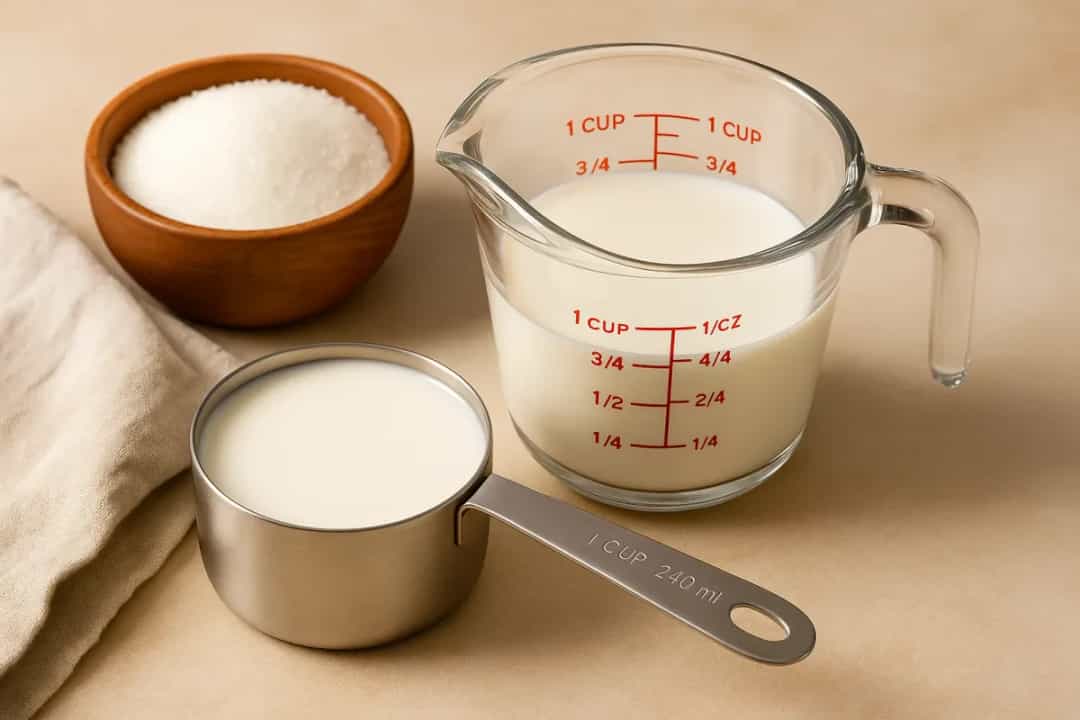
1 cup of milk weighs approximately 240 grams. This is a general standard for whole milk, but it can vary slightly based on the type of milk you are using.
Breakdown by Milk Type
Here’s a quick reference guide for various types of milk:
- Whole Milk: 1 cup = 240 grams
- 2% Milk: 1 cup = 240 grams
- 1% Milk: 1 cup = 240 grams
- Skim Milk: 1 cup = 240 grams
- Almond Milk: 1 cup = 240 grams (may vary slightly by brand)
- Soy Milk: 1 cup = 240 grams (may vary slightly by brand)
- Oat Milk: 1 cup = 240 grams (may vary slightly by brand)
While there are minor variations in density based on fat content and additional ingredients in non-dairy milks, using 240 grams as a guideline will generally serve you well.
Practical Tips for Measuring Milk
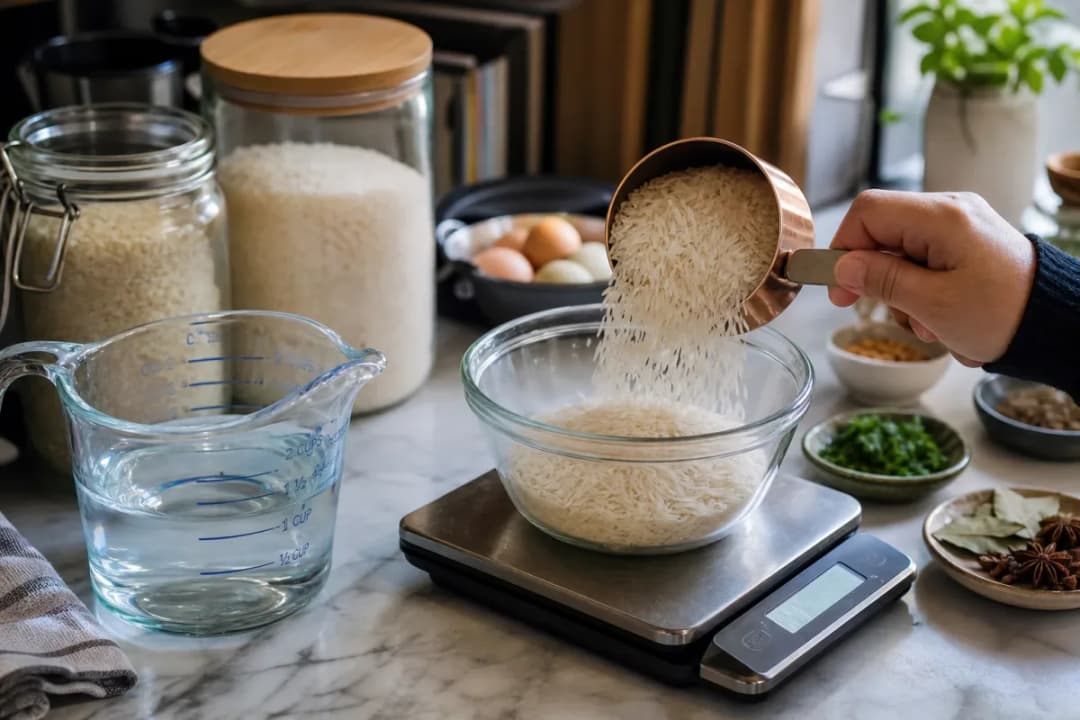
- Use a Kitchen Scale: For the most accurate measurement, invest in a digital kitchen scale. This tool will allow you to weigh your milk directly, ensuring precise amounts for your recipes.
- Check the Packaging: Many milk cartons and containers will provide weight information, which can be helpful if you’re unsure.
- Consider Temperature: Milk can vary in density based on temperature. For the most accurate measurement, use milk at room temperature.
When to Use Grams Instead of Cups
- Baking: Most baking recipes will benefit from using grams for liquid ingredients to ensure consistency.
- Nutrition Tracking: If you’re tracking nutrition or macros, measuring in grams can provide more accurate information.
- Scaling Recipes: If you’re adjusting serving sizes, using grams can make scaling recipes easier without needing to convert cups back and forth.
Conclusion
Knowing how many grams are in a cup of milk is a simple yet vital kitchen skill that can enhance your cooking and baking endeavors. With this conversion at your fingertips, you can approach your recipes with confidence, ensuring that you get the measurements just right every time. Whether you’re making a rich sauce or a delicate cake, having the proper measurements will lead to delicious results.
Additional Resources
- For more cooking tips, explore our range of articles on kitchen conversions and measurements.
- Consider subscribing to our newsletter for the latest culinary tips and tricks!
Frequently Asked Questions
- How many grams is 1 cup of milk?
- About 244 grams for 1 US cup of whole milk (roughly 240 ml). Skim and plant milks can weigh slightly less or more—weigh when precision matters.
- Is a US cup the same as a metric cup?
- No. A US cup is 240 ml; a metric cup is 250 ml. For baking, prefer grams so the cup standard does not throw off hydration.
- Can I use this for half-and-half or cream?
- Not exactly—cream is denser. Convert dairy by weight when possible, or use a dedicated cream conversion rather than whole-milk grams.