Tips & Tricks
How to Peel Soft-Boiled Eggs Easily with Ice Bath
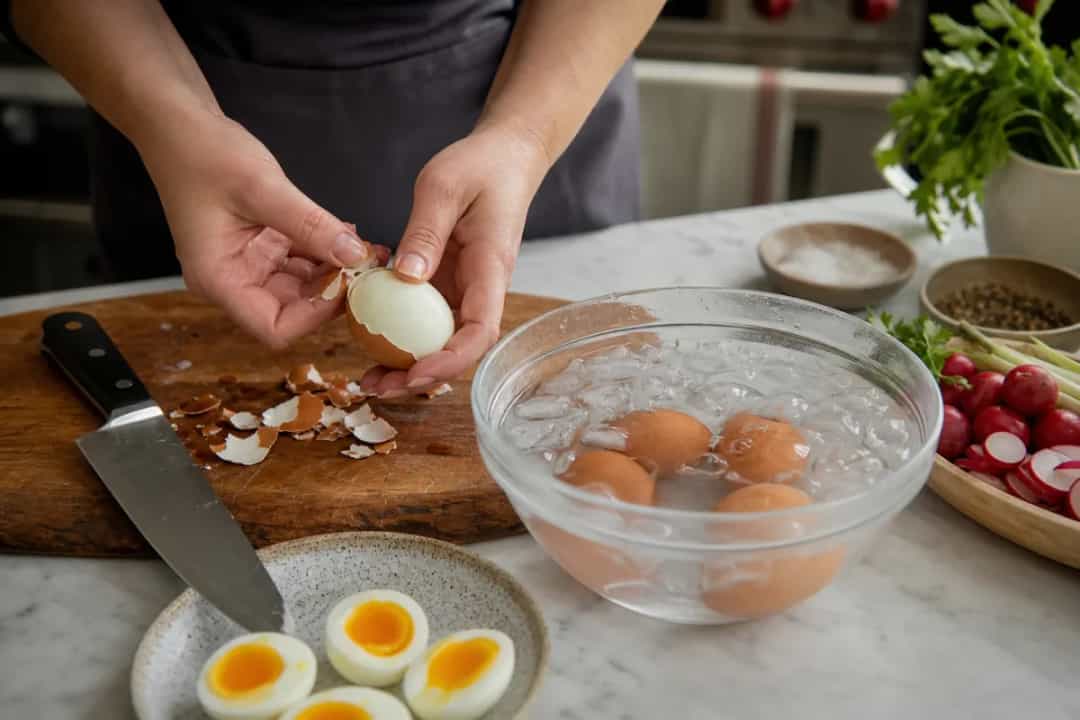
Peeling soft-boiled eggs can be a frustrating task, especially when the whites stick to the shell. The ice-bath shock trick is a simple yet effective method that transforms this process, ensuring your eggs retain their beautiful shape and creamy yolks.
Why Use the Ice Bath Trick?
When you cook soft-boiled eggs, the proteins in the egg whites bond tightly to the shell. Cooling them quickly in an ice bath stops this process and makes it easier to peel. It also helps maintain the texture of the yolk, giving you that perfect, runny center.
Method for Cooking and Peeling
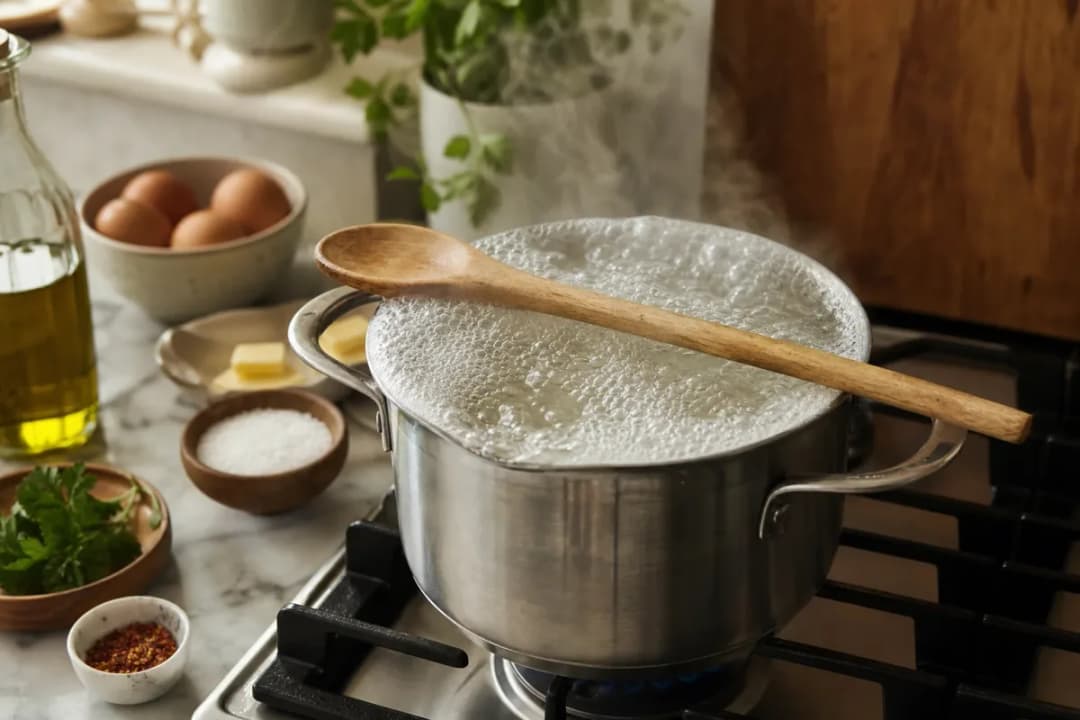
- Boil Water: Bring a pot of water to a rolling boil. Use enough water to cover the eggs by at least 1 inch.
- Add Eggs Carefully: Using a spoon, gently lower the eggs into the boiling water. Cook for 6-7 minutes for a soft-boiled texture.
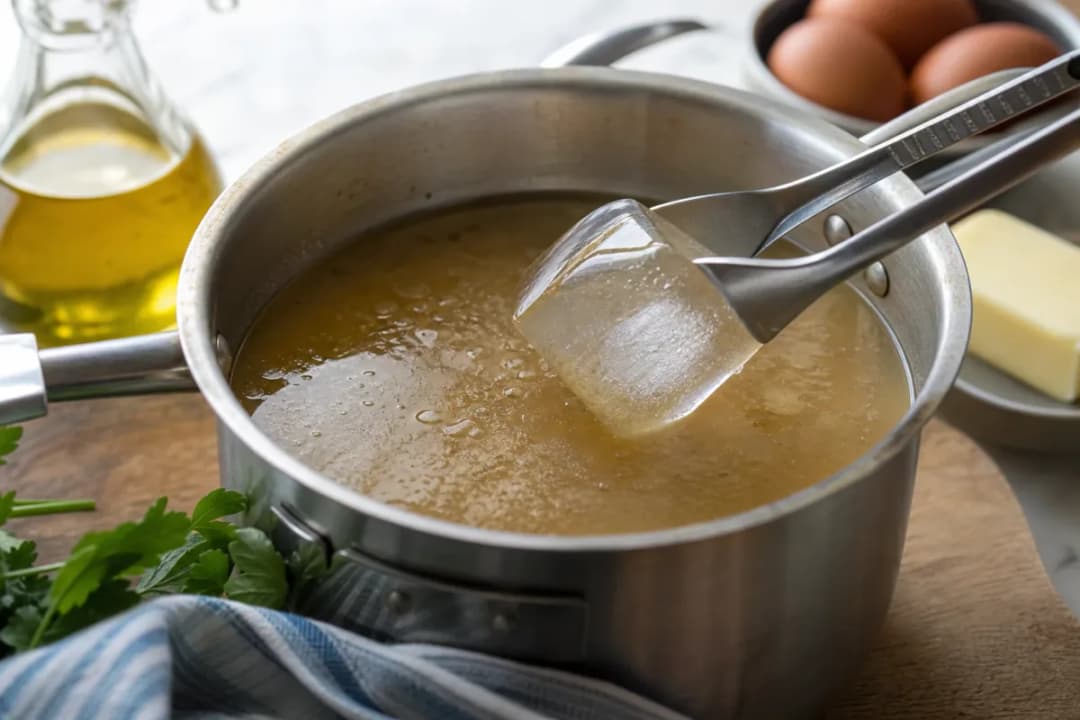
- Prepare Ice Bath: While the eggs are cooking, fill a large bowl with ice and water to create an ice bath.
- Shock the Eggs: Once the cooking time is up, immediately transfer the eggs to the ice bath. Let them sit for about 5 minutes. This rapid cooling will help in peeling.
- Peel Under Water: Gently tap the egg on a hard surface to crack the shell and peel it under running water or in the bowl of water. This reduces mess and makes it easier to remove any stubborn bits of shell.
Comparison of Cooking Times for Soft-Boiled Eggs
| Egg Size | Cooking Time | Yolk Consistency |
|---|---|---|
| Medium | 6 minutes | Creamy, runny yolk |
| Large | 7 minutes | Slightly firmer, runny yolk |
| Extra Large | 8 minutes | Creamy, nearing custard |
Pro Tips
- Use Older Eggs: Fresh eggs tend to stick more to the shell. Slightly older eggs are easier to peel.
- Puncture the Shell: Consider using a needle to make a small hole in the larger end before boiling. This can help release steam and reduce sticking.
- Don’t Skip the Ice Bath: Even if you're in a hurry, the ice bath is crucial for easier peeling and maintaining that ideal texture.
Safety Note
Always ensure your eggs are cooked to a safe temperature to prevent any foodborne illness. The USDA recommends cooking eggs to a minimum internal temperature of 160°F.
Conclusion
With this ice-bath shock trick, peeling soft-boiled eggs becomes a quick and enjoyable task. Try it out next time you cook eggs, and enjoy perfectly peeled results every time!
Frequently Asked Questions
- How long should I cook soft-boiled eggs?
- For a perfect soft-boiled egg, cook medium eggs for 6 minutes and large eggs for 7 minutes.
- Why do fresh eggs stick to the shell?
- Fresh eggs have a lower pH, causing the proteins in the whites to bond more tightly to the shell.
- Can I use cold eggs from the fridge?
- It's best to bring eggs to room temperature before boiling to ensure even cooking, but cold eggs can still be used with slight adjustments to cooking time.
- What if my eggs are hard to peel?
- If your eggs are hard to peel, try using older eggs or ensure you use the ice bath method for easier peeling.
- Is the ice bath necessary?
- Yes, the ice bath is crucial for stopping the cooking process and making the peeling easy without damaging the egg whites.