Quick Fixes
How to Stop Eggs from Sticking to Stainless Steel Pans
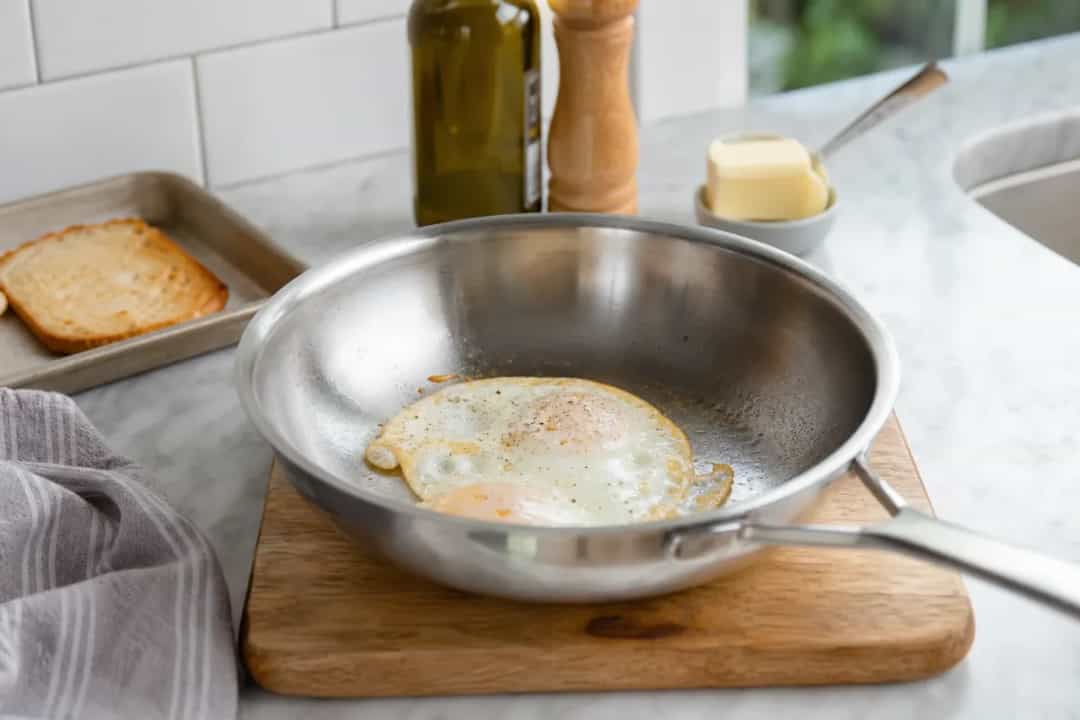
Cooking eggs in stainless steel pans can often lead to frustration when they stick and create a mess. Understanding how to properly prepare your pan can make a significant difference in achieving perfectly cooked eggs without the hassle of scraping burnt bits off your cookware.
Preheat Your Pan
Before you even think about adding eggs, it’s crucial to preheat your pan. This step ensures that the eggs cook evenly and release from the surface rather than bond to it.
How to Preheat
- Place your dry stainless steel pan on medium heat for 2-3 minutes.
- Flick a few drops of water onto the surface. If they dance and evaporate almost instantly, your pan is hot enough.
Use Enough Fat
Using the right amount of fat is essential for non-stick cooking. Eggs require a good coating of oil or butter to glide smoothly without adhering to the pan.
Recommended Fats
- Olive oil: 1-2 tablespoons works well for flavor and non-stick properties.
- Butter: Adds richness; use 1 tablespoon for a balance of flavor and fat.
- Non-stick spray: A quick alternative if you prefer lighter options.
Cook at the Right Temperature
Cooking eggs at the right temperature is key to preventing sticking. Too high heat can cause proteins to bond to the pan; too low may not cook the eggs properly.
Ideal Cooking Temperature
- Medium heat is typically perfect for frying eggs and scrambling. Adjust as needed based on your stove’s heat output.
Timing Matters
Once your eggs are in the pan, timing can also influence how well they release from the surface.
Cooking Steps
- Allow the eggs to cook undisturbed for 30 seconds before stirring or flipping. This helps them form a slight crust that will naturally release from the pan.
- For scrambled eggs, let them sit for a few moments to set before you start stirring.
Pro Tips
- Consider seasoning your stainless steel pans: Occasionally cooking with oil can help create a natural non-stick surface over time.
- Avoid overcrowding the pan: Cooking in batches ensures even heat distribution and prevents sticking.
- Clean your pans properly: Residue buildup can lead to sticking; ensure thorough cleaning after each use.
Safety Note
Always ensure your pans are at a safe temperature before adding oil to prevent smoke and potential burns. Monitor the heat to prevent overheating, which can damage the pan’s surface.
Conclusion
With these tips, you can significantly reduce the chances of eggs sticking to your stainless steel pans. Give these methods a try for perfectly cooked eggs and a stress-free cooking experience!
Frequently Asked Questions
- Why do eggs stick to stainless steel pans?
- Eggs stick because the proteins bond to the surface when the pan isn't preheated properly or lacks sufficient fat.
- How can I tell if my pan is hot enough?
- Flick a few drops of water onto the pan; if they dance and evaporate quickly, the pan is hot enough.
- Can I use non-stick spray on stainless steel pans?
- Yes, non-stick spray can be used, but ensure you use enough to create a barrier between the eggs and the pan.
- What type of oil is best for frying eggs?
- Olive oil or butter are excellent choices as they provide flavor and help prevent sticking.
- How do I clean sticking residue from my pan?
- Soak the pan in warm, soapy water, then use a gentle scrubber to remove any residue without scratching the surface.