Tips & Tricks
10 Essential Spices for Middle Eastern & Mediterranean Cooking
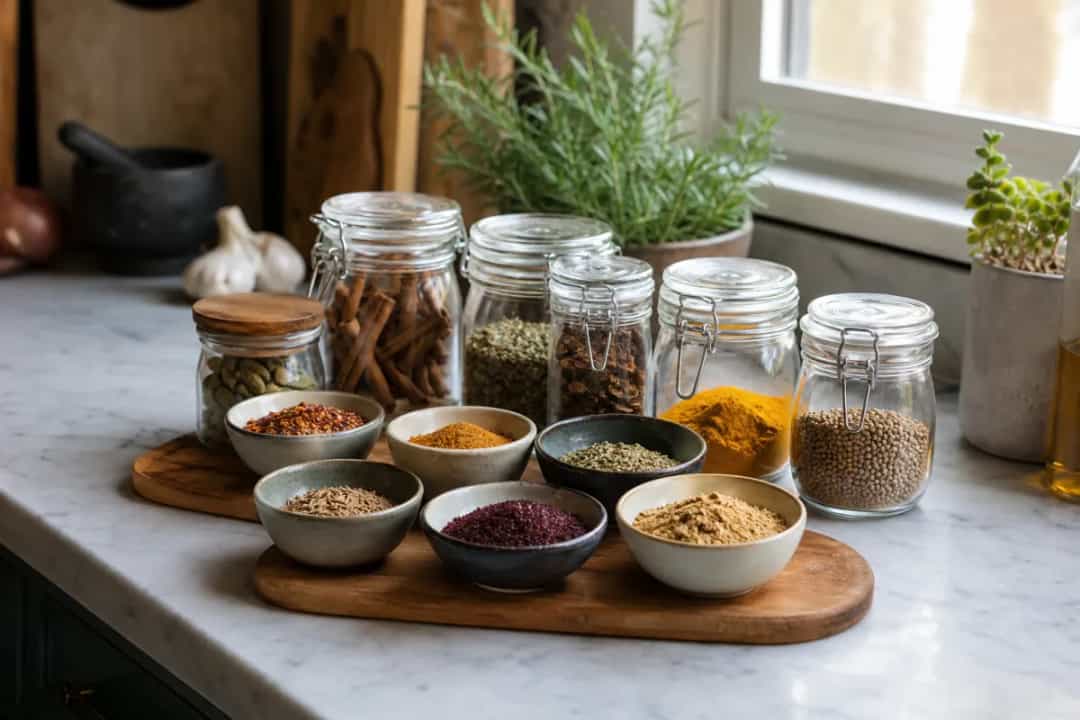
Incorporating authentic spices is vital for creating genuine Middle Eastern and Mediterranean flavors. These regions boast rich culinary traditions, and the right spices can transform simple ingredients into extraordinary dishes. Let’s explore the ten essential spices that will help you achieve that authentic taste in your home kitchen.
The Essential Spices
1. Cumin
- Flavor Profile: Earthy, warm, and slightly nutty.
- Uses: Ideal for spice blends like za'atar and in dishes such as hummus and stews.
2. Coriander
- Flavor Profile: Citrus-like and slightly sweet.
- Uses: Common in marinades, salads, and curries, enhancing freshness in dishes.
3. Sumac
- Flavor Profile: Tart and lemony.
- Uses: Perfect for sprinkling on fattoush salad or grilled meats for a zesty kick.
4. Paprika
- Flavor Profile: Sweet and smoky (depending on the variety).
- Uses: Adds color and depth to stews, rice dishes, and roasted vegetables.
5. Turmeric
- Flavor Profile: Earthy and slightly bitter.
- Uses: Essential for curries and rice dishes, it also gives a vibrant yellow color.
6. Allspice
- Flavor Profile: Warm, with hints of cinnamon, nutmeg, and cloves.
- Uses: Commonly used in spiced rice dishes and marinades for meats.
7. Cardamom
- Flavor Profile: Sweet and aromatic.
- Uses: Adds warmth to desserts and is often used in coffee or tea blends.
8. Cinnamon
- Flavor Profile: Sweet and woody.
- Uses: Not just for desserts; it adds warmth to savory dishes, like tagines and stews.
9. Fennel Seeds
- Flavor Profile: Sweet and licorice-like.
- Uses: Great for seasoning meats and in spice blends for a unique flavor.
10. Za'atar
- Flavor Profile: Herbaceous and tangy.
- Uses: A versatile blend often used for seasoning vegetables, meats, and bread.
Spice Comparison Table
| Spice | Common Uses | Flavor Profile |
|---|---|---|
| Cumin | Hummus, stews | Earthy, warm |
| Sumac | Fattoush, grilled meats | Tart, lemony |
| Za'atar | Vegetables, meats, bread | Herbaceous, tangy |
Pro Tips
- Freshness Matters: Always buy whole spices and grind them as needed for the best flavor.
- Storage: Keep spices in airtight containers, away from light and heat.
- Experiment: Don’t be afraid to try different combinations to create your unique spice blends.
- Taste as You Go: Adjust spice levels based on personal preference and the specific dish.
Safety Note
When using spices, ensure they are from reputable sources to avoid contamination. Store them properly to maintain freshness and avoid spoilage.
Conclusion
Trying out these ten essential spices will undoubtedly enhance your cooking, bringing authentic Middle Eastern and Mediterranean flavors to your table. Experiment with these spices and enjoy the rich culinary traditions they represent.
Frequently Asked Questions
- What are the most common spices in Middle Eastern cooking?
- Common spices include cumin, coriander, paprika, and sumac, each contributing unique flavors.
- How should I store my spices?
- Store spices in airtight containers in a cool, dark place to maintain their freshness and potency.
- Can I substitute fresh herbs for dried spices?
- Yes, but remember that dried spices are more concentrated; use about one-third the amount of fresh herbs.
- How can I enhance the flavor of my dishes?
- Experiment with different spice combinations and taste as you go to find the perfect balance for your dishes.
- What is za'atar seasoning?
- Za'atar is a blend of herbs like thyme, oregano, and sesame seeds, often used to season meats and vegetables.