Tips & Tricks
Best Buttermilk Substitutes: Milk & Vinegar Guide
Need buttermilk but don’t have any? Discover quick substitutes using milk and vinegar to ensure your recipes turn out perfectly every time.
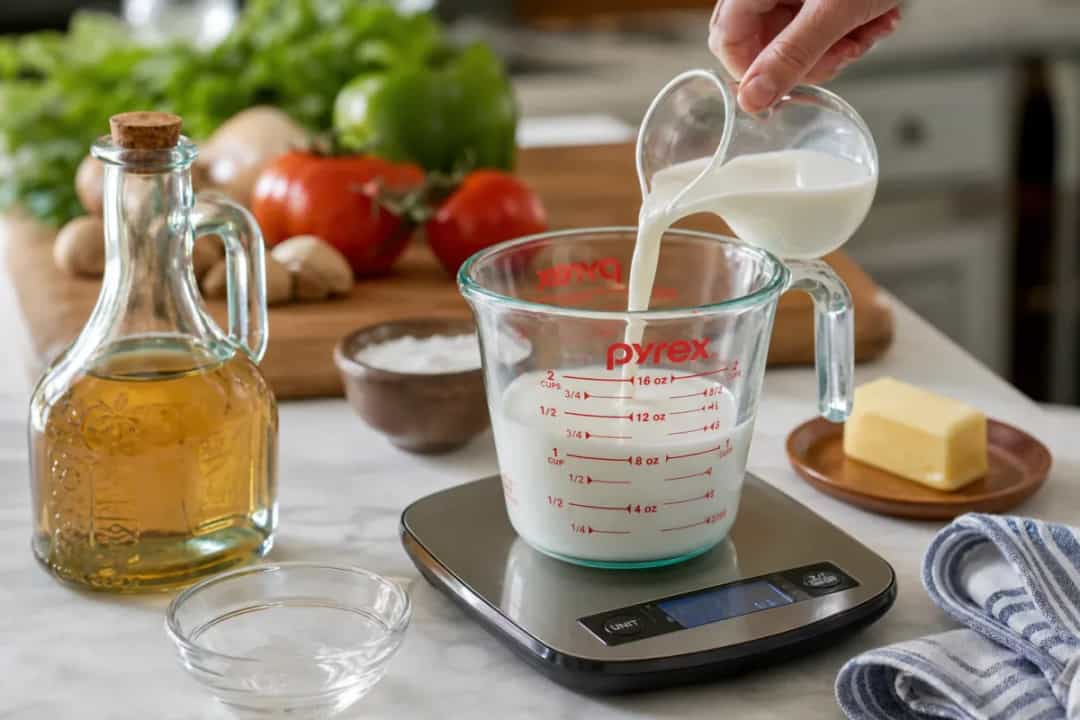
Buttermilk is a key ingredient in many recipes, providing moisture and a slight tang that enhances flavor. If you find yourself without any on hand, don’t worry! You can easily whip up a substitute using milk and vinegar. Here’s how to do it effectively and ensure your dishes come out just right.
Understanding Buttermilk
Buttermilk is traditionally the liquid left after churning butter, but today, it’s often a cultured dairy product. It adds richness to baked goods and helps them rise. Without it, your pancakes, cakes, or muffins may lack that essential flavor and texture.
How to Make Buttermilk Substitute with Milk and Vinegar
Creating your own buttermilk substitute is simple and requires just two ingredients: milk and vinegar. Here’s how:
Step 1: Choose Your Milk
- Whole milk: Rich and creamy, it’s the best choice for baking.
- 2% milk: A good alternative, slightly lower in fat.
- Nonfat milk: Can work, but may yield a drier result.
Step 2: Add Vinegar
- Use 1 tablespoon of white vinegar or lemon juice for every 1 cup of milk. This acidity mimics buttermilk’s tangy flavor.
Step 3: Let It Sit
- Allow the mixture to sit for about 5 to 10 minutes. You’ll notice it thickening slightly and curdling, which is exactly what you want!
Other Substitutes for Buttermilk
If you’re out of vinegar or need alternatives, consider:
- Yogurt: Use plain yogurt thinned with a bit of milk (1:1 ratio).
- Sour cream: Thin with water or milk for a similar consistency.
- Milk and cream of tartar: Mix 1 cup of milk with 1 1/2 teaspoons of cream of tartar.
Pro Tips
- Experiment with flavors: Try adding a dash of vanilla or almond extract to your milk and vinegar mix for extra depth.
- Watch your ratios: Too much vinegar can overpower your recipe; stick to the recommended measurements.
- Use it fresh: Always make just enough for your recipe, as this substitute works best when fresh.
Safety Note
When using dairy products, always check for freshness. If your milk has an off smell or appearance, it’s best to discard it to avoid foodborne illness.
Conclusion
Now that you know how to make a quick and easy buttermilk substitute using milk and vinegar, don’t hesitate to try it in your next recipe. With these tips, your baked goods will be just as delicious as if you used buttermilk straight from the carton!