Tips & Tricks
How to Dispose of Used Cooking Oil Safely at Home
Learn effective ways to dispose of used cooking oil safely at home while protecting the environment and your plumbing.
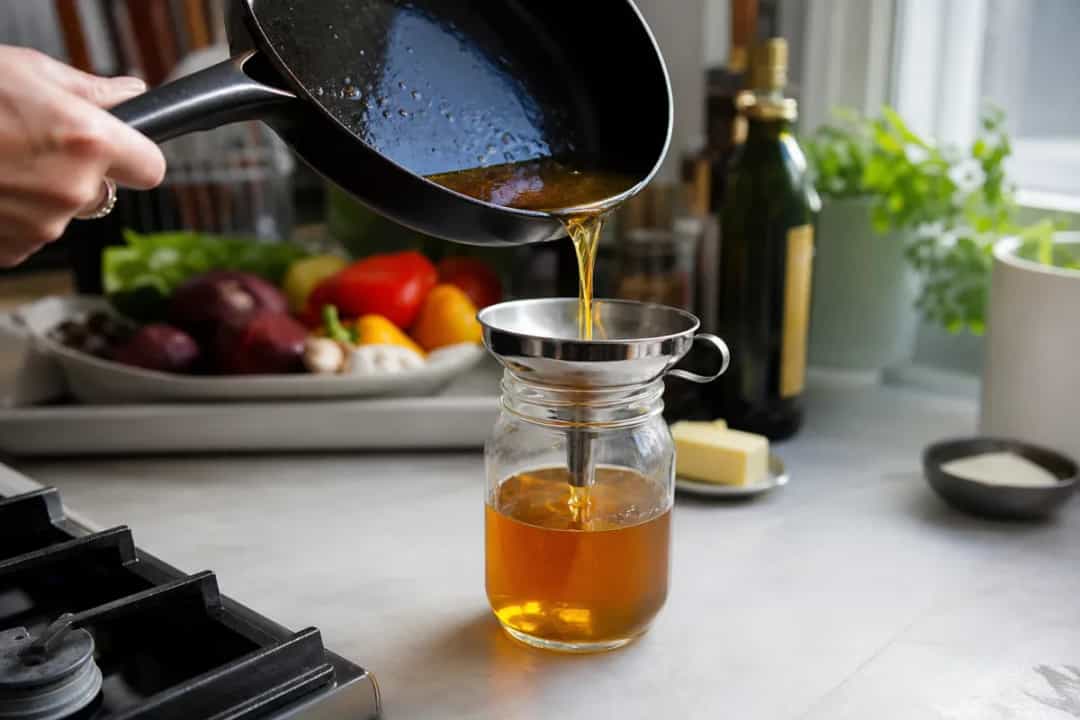
Used cooking oil can create real problems for your home and the environment if not disposed of properly. Pouring it down the drain can lead to plumbing issues, while tossing it in the trash can attract pests. Here are safe and responsible methods to dispose of used cooking oil at home.
Methods for Disposing Cooking Oil
1. Let It Cool and Store
- Cool the oil: Allow used cooking oil to cool down to room temperature.
- Use a container: Pour the cooled oil into a seal-tight container (like a glass jar or plastic bottle) to prevent leaks.
- Label it: Mark the container clearly as "Used Cooking Oil" to avoid any confusion.
2. Recycle Cooking Oil
- Find a recycling center: Check local resources for places that accept cooking oil for recycling.
- Biodiesel: Many facilities convert used oil into biodiesel, a renewable energy source.
- Community programs: Some communities have special drop-off events for cooking oil.
3. Dispose with Household Waste
- Solidify the oil: Mix the used oil with an absorbent material like cat litter, sawdust, or shredded newspaper to form a paste.
- Trash it: Place the mixture in a plastic bag and dispose of it in your regular trash.
4. Contact Local Waste Management
- Ask your waste facility: Some garbage collection services offer specific instructions for disposing of cooking oil.
- Follow guidelines: Always adhere to local regulations regarding waste disposal.
Pro Tips
- Avoid pouring: Never pour used oil down the sink, toilet, or drain to prevent clogs and plumbing issues.
- Small amounts: If you have only a small amount of cooking oil, consider using it in your next cooking session, as long as it’s still good.
- Reusing oil: Strain the oil through a fine mesh to remove food particles and store it for future frying if it’s still clean.
Safety Note
- Avoid botulism: Do not store used oil for long periods, as it can develop harmful bacteria. If you notice any off-smells or signs of spoilage, dispose of it immediately.
- Cross-contamination: Keep used oil separate from fresh oil to ensure food safety.
Conclusion
Disposing of used cooking oil doesn’t have to be a hassle. By following these simple steps, you can protect your plumbing and the environment. Try these methods next time you have used oil and contribute to a greener planet!