Pro Techniques
Why You Should Never Store Tomatoes in the Fridge
Storing tomatoes in the fridge can lead to loss of flavor and texture. Here’s why you should keep them out and how to store them properly.
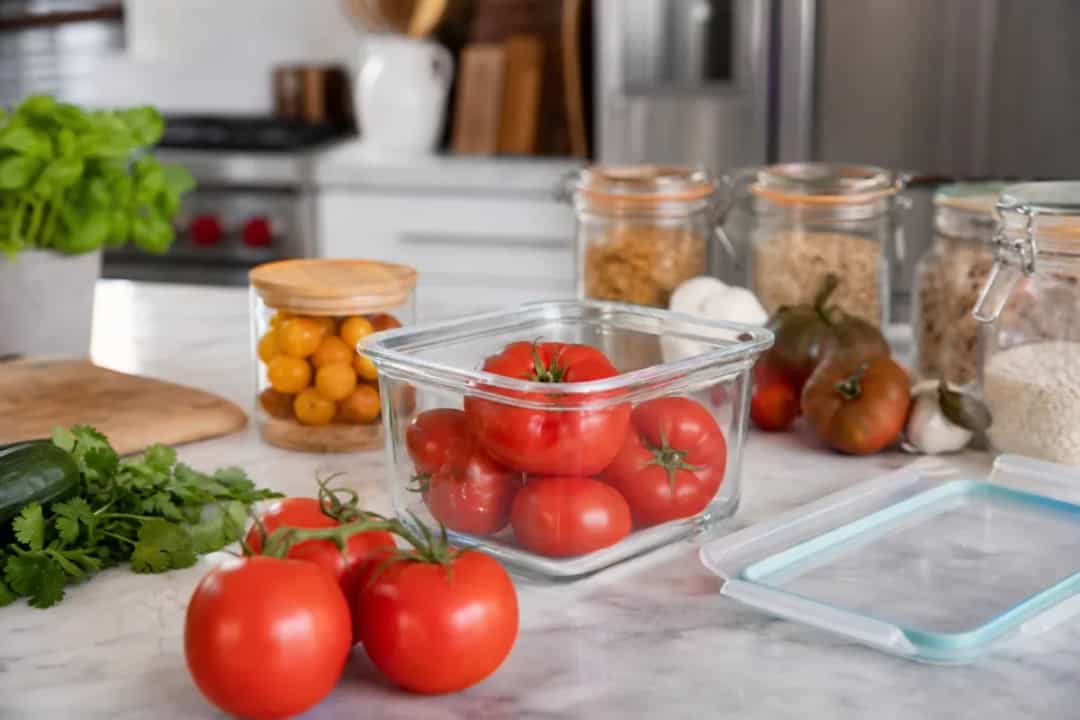
Tomatoes are a staple in many kitchens, but storing them improperly can diminish their quality significantly. When refrigerated, tomatoes can become mealy and lose their vibrant flavor, leading to a disappointing culinary experience. Understanding the best way to store tomatoes will help maintain their deliciousness.
Why Refrigeration Harms Tomatoes
Refrigeration affects tomatoes in several ways:
- Flavor Loss: Cold temperatures can inhibit the production of flavor compounds, making tomatoes taste bland.
- Texture Changes: Chilling can cause the cells in the tomato to break down, leading to a mealy texture that is unappealing.
- Nutrient Degradation: Storing tomatoes in the fridge can also reduce their nutritional value over time.
Best Practices for Storing Tomatoes
To keep your tomatoes fresh and flavorful, follow these guidelines:
At Room Temperature
- Store whole tomatoes at room temperature, away from direct sunlight. This allows them to ripen properly and preserves their taste.
- Use a flat surface like a countertop or a basket to prevent bruising.
Keep Them Dry
- Avoid washing tomatoes until you are ready to use them. Excess moisture can lead to mold and spoilage.
Monitor Ripeness
- Check regularly for ripeness. If the tomatoes are fully ripe, use them soon to enjoy their peak flavor.
| Tomato Type | Ideal Storage Temperature | Notes |
|---|---|---|
| Ripe tomatoes | 55-70 °F | Best kept at room temp |
| Unripe tomatoes | 65-70 °F | Should be stored out of direct sunlight |
| Cherry tomatoes | 55-70 °F | Enjoyed at room temperature |
Pro Tips
- Avoid storing near ethylene-producing fruits like bananas or apples, as they can speed up ripening and spoilage.
- Use a paper bag for unripe tomatoes to help trap ethylene gas, which aids in ripening.
- Store cut tomatoes in an airtight container in the fridge for a short time, but consume them within 1-2 days for the best taste.
Safety Note
While tomatoes can be safely stored at room temperature, avoid leaving them out for long periods in overly warm conditions, as this can lead to spoilage. Always check for any signs of mold or unusual softness before consuming.
Conclusion
By keeping tomatoes out of the fridge and following these storage tips, you can enjoy their full flavor and texture. Try these methods to enhance your culinary creations with fresh, delicious tomatoes!
Frequently Asked Questions
- Can I refrigerate tomatoes if they're already cut?
- Yes, but store cut tomatoes in an airtight container in the fridge and consume them within 1-2 days for best flavor.
- How long can tomatoes be stored at room temperature?
- Ripe tomatoes can be stored at room temperature for about 3-5 days; check daily for ripeness.
- What are the signs of spoiled tomatoes?
- Look for signs like mold, excessive softness, or a foul smell to determine if tomatoes have gone bad.
- Can I store unripe tomatoes in the fridge?
- It's best to store unripe tomatoes at room temperature until they ripen; refrigeration can affect their flavor.
- What's the best way to ripen tomatoes faster?
- Place unripe tomatoes in a paper bag at room temperature to trap ethylene gas and speed up the ripening process.