Tips & Tricks
Make Stainless Steel Non-Stick with the Leidenfrost Test
Cooking with stainless steel can sometimes feel challenging, especially when food sticks to the surface. Understanding the Leidenfrost effect not only helps prevent sticking but also improves the overall cooking process. Let’s explore how you can utilize this test for better results in your kitchen.
What is the Leidenfrost Effect?
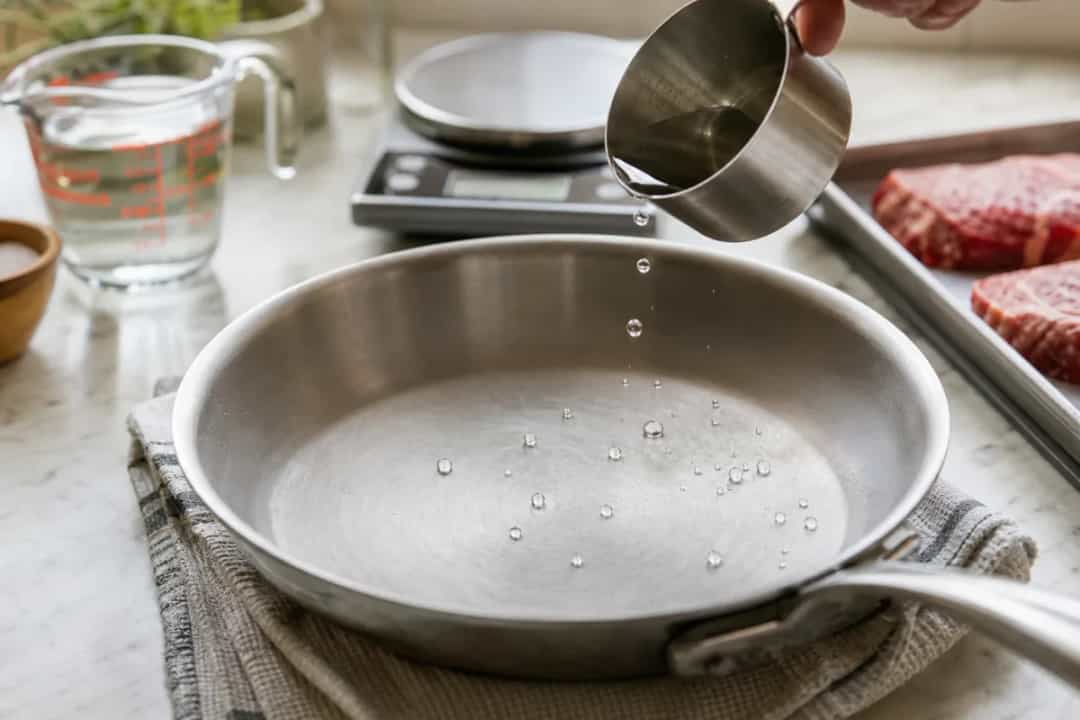
The Leidenfrost effect occurs when a liquid comes into contact with a surface significantly hotter than its boiling point, creating a vapor layer that insulates the liquid. This phenomenon allows droplets of water to glide on the pan instead of evaporating immediately.
How to Perform the Leidenfrost Test
- Heat the pan: Preheat your stainless steel pan over medium heat for about 2-3 minutes. You want it hot but not smoking.
- Test with water: Drop a few small droplets of water onto the pan’s surface. If they skitter around and dance, your pan has reached the Leidenfrost point.
- Adjust as necessary: If the water evaporates too quickly, lower the heat. If it sizzles and sticks, allow the pan to cool slightly before testing again.
Benefits of Using the Leidenfrost Test
- Reduces sticking: By ensuring a proper cooking temperature, food is less likely to bond to the surface.
- Promotes even cooking: A well-heated pan cooks food evenly, enhancing flavor and texture.
- Saves time and energy: Cooking at the right temperature can reduce overall cooking time.
Pro Tips
- Use an infrared thermometer: For precision, measure the pan’s surface temperature. Ideal cooking temperatures for stainless steel typically range from 350°F to 450°F.
- Preheat gradually: Avoid shocking the pan with high heat right away, which can warp or damage it over time.
- Practice with water: Before cooking, practice the test to get a feel for how your specific pan reacts.
- Maintain your pan: Regular cleaning and proper seasoning will keep your stainless steel cookware in top shape.
Safety Note
Always be cautious when handling hot cookware. Use oven mitts and avoid splashing water onto hot surfaces to prevent burns.
Conclusion
Understanding and applying the Leidenfrost test can significantly improve your cooking experience with stainless steel cookware. Try this technique next time you cook, and enjoy the benefits of a non-stick surface without the need for chemicals or coatings.
Frequently Asked Questions
- What is the fastest answer for “Make Stainless Steel Non-Stick with the Leidenfrost Test”?
- To make stainless steel non-stick, heat your pan until it reaches the Leidenfrost point, where water droplets skitter across its surface. This simple test helps you achieve the perfect cooking temperature, reducing food sticking and enhancing your culinary experience.
- Does this tip work in a home kitchen?
- Yes — it is written for US home cooks with standard tools, fridge space, and grocery ingredients. No restaurant equipment required.
- Any safety or quality mistakes to avoid?
- Always be cautious when handling hot cookware. Use oven mitts and avoid splashing water onto hot surfaces to prevent burns.