Tips & Tricks
Why You Should Never Wash Raw Chicken
Washing raw chicken can spread harmful bacteria. Learn why this practice is unsafe and discover safer alternatives for handling chicken.
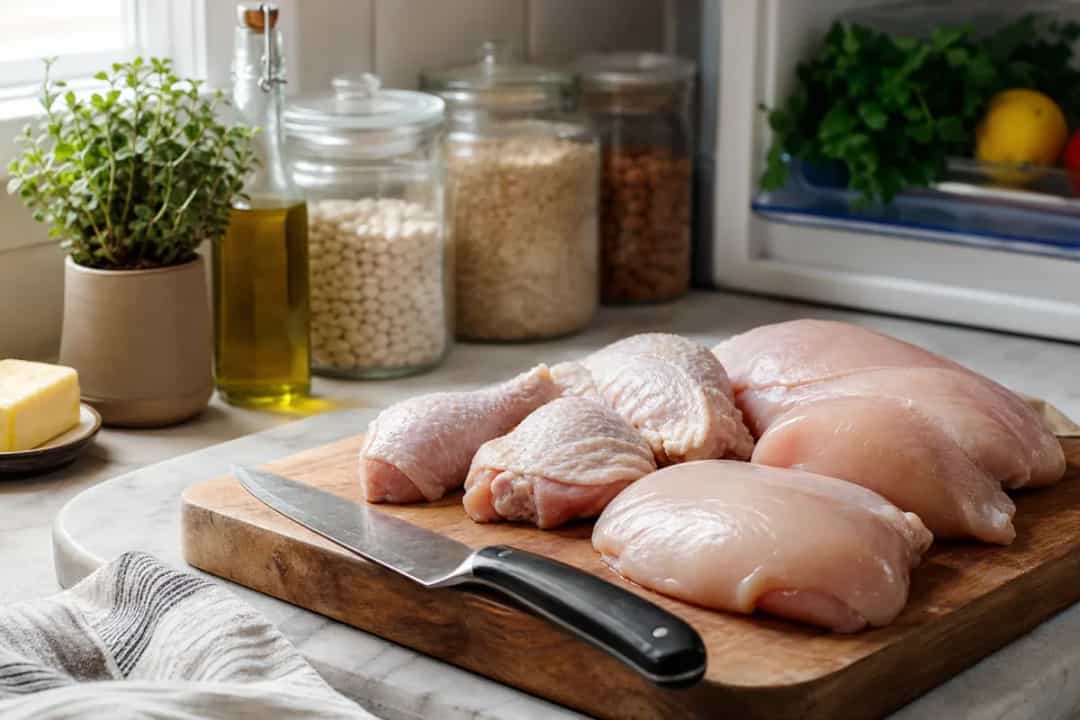
Why This Matters
Washing raw chicken is a common practice many home cooks believe is necessary to remove bacteria. However, this can actually do more harm than good by spreading harmful pathogens across your kitchen. Instead of rinsing, there are safer methods to ensure your chicken is clean and ready for cooking.
The Risks of Washing Chicken
Washing raw chicken can lead to cross-contamination. When you rinse chicken under running water, droplets can splash onto nearby surfaces, utensils, and even other foods, potentially contaminating them with bacteria like Salmonella or Campylobacter. Here’s how to keep your kitchen safe:
Key Risks
- Splashing: Water can carry bacteria from the chicken to countertops, dishcloths, and sinks.
- Inadequate Cooking: Washing gives a false sense of security. Proper cooking at 165°F kills harmful bacteria.
- Foodborne Illness: Contamination increases the risk of foodborne illness for you and your family.
Safe Handling of Raw Chicken
Instead of washing, focus on these safe practices:
1. **Keep Everything Clean**
- Use hot, soapy water to thoroughly clean your cutting boards, utensils, and surfaces before and after handling chicken.
- Designate a specific cutting board for raw chicken to avoid cross-contamination with other foods.
2. **Use Proper Cooking Techniques**
- Ensure chicken is cooked to an internal temperature of 165°F. Use a meat thermometer for accuracy.
- Consider marinating chicken in the fridge to prevent bacterial growth. Always discard any leftover marinade.
3. **Thaw Safely**
- If using frozen chicken, thaw it in the refrigerator, in cold water, or in the microwave, but never on the counter, which can promote bacterial growth.
4. **Store Correctly**
- Store raw chicken in a leak-proof container on the bottom shelf of the refrigerator to prevent drips onto other foods.
- Use within 1-2 days or freeze for later use.
Pro Tips
- Use Vinegar or Lemon Juice: If you want to clean your chicken, use vinegar or lemon juice in the marinade; these can help reduce bacteria without rinsing.
- Wash Your Hands: Always wash your hands with soap and water for at least 20 seconds before and after handling raw chicken.
- Keep It Cold: Ensure the refrigerator is set to 40°F or below to keep chicken safe during storage.
Safety Note
Cross-contamination is a serious risk when handling raw chicken. Always sanitize surfaces and utensils after contact with raw chicken to prevent the spread of bacteria.
Conclusion
By skipping the wash and focusing on safe handling practices, you can protect your family from foodborne illnesses. Embrace these simple tips to ensure your chicken is cooked safely and enjoy your meals with confidence.