Tips & Tricks
How to Lock Vivid Green Colors in Vegetables
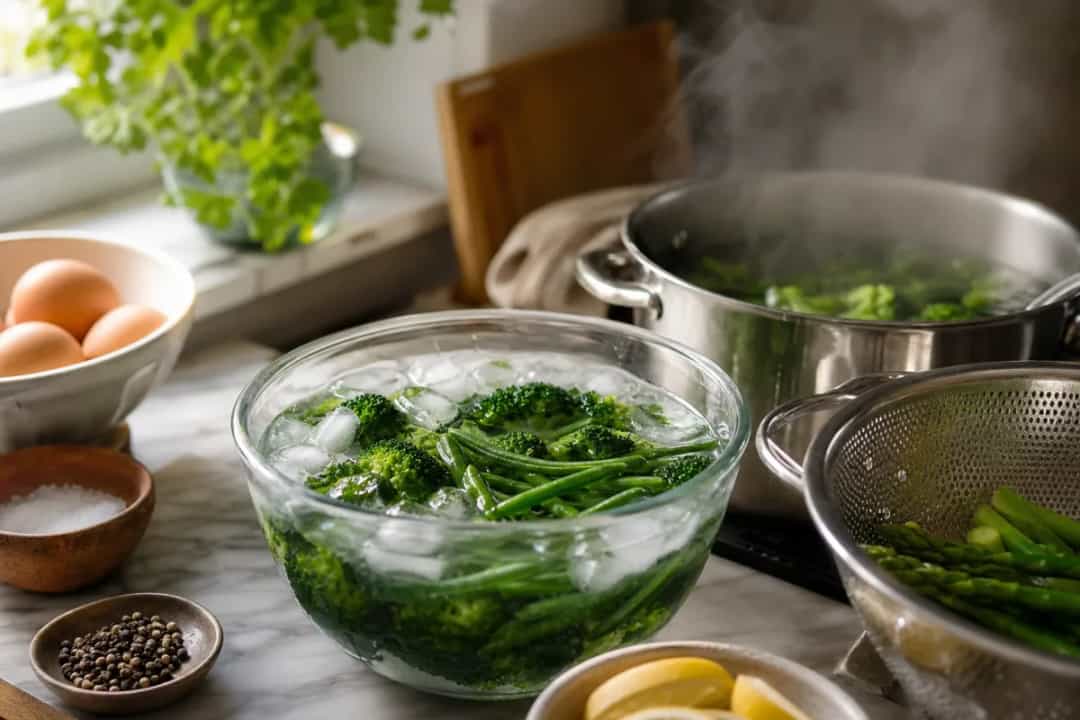
The vibrant green of vegetables like broccoli, green beans, and asparagus can easily fade if not cooked properly. Using salted boiling water not only preserves their color but also enhances the flavor and texture, making your dishes more appealing and delicious.
The Importance of Salted Water
Cooking vegetables in salted water helps maintain their natural chlorophyll, which is responsible for their vibrant green hue. The salt also seasons the vegetable from the inside out, enhancing overall flavor.
Steps for Using the Salted Boiling Water Technique
- Prepare your vegetables: Wash and cut them into uniform sizes for even cooking.
- Boil water: Fill a large pot with 1 quart of water for every 1 pound of vegetables you plan to cook.
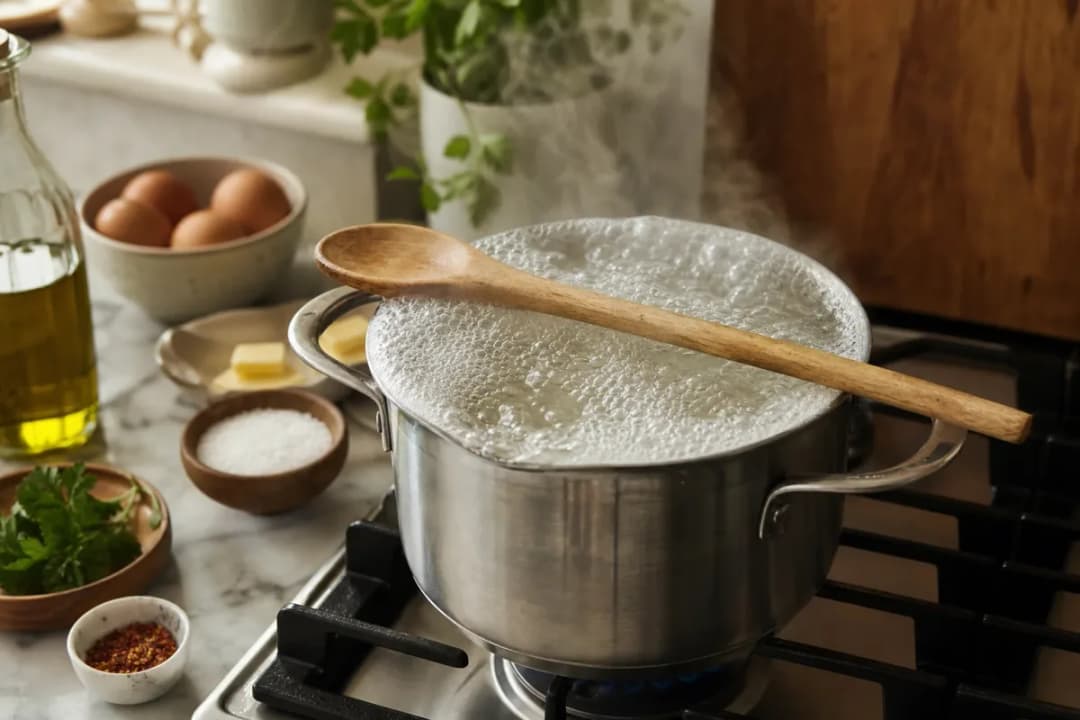
- Add salt: Stir in 1 tablespoon of salt for every quart of water. This adds flavor and helps retain color.
- Bring to a boil: Heat the water until it reaches a rolling boil. This step is crucial for effective blanching.
- Blanch vegetables: Add your vegetables to the boiling water. Depending on the type:
- Broccoli: 2-3 minutes
- Green beans: 2 minutes
- Asparagus: 1-2 minutes
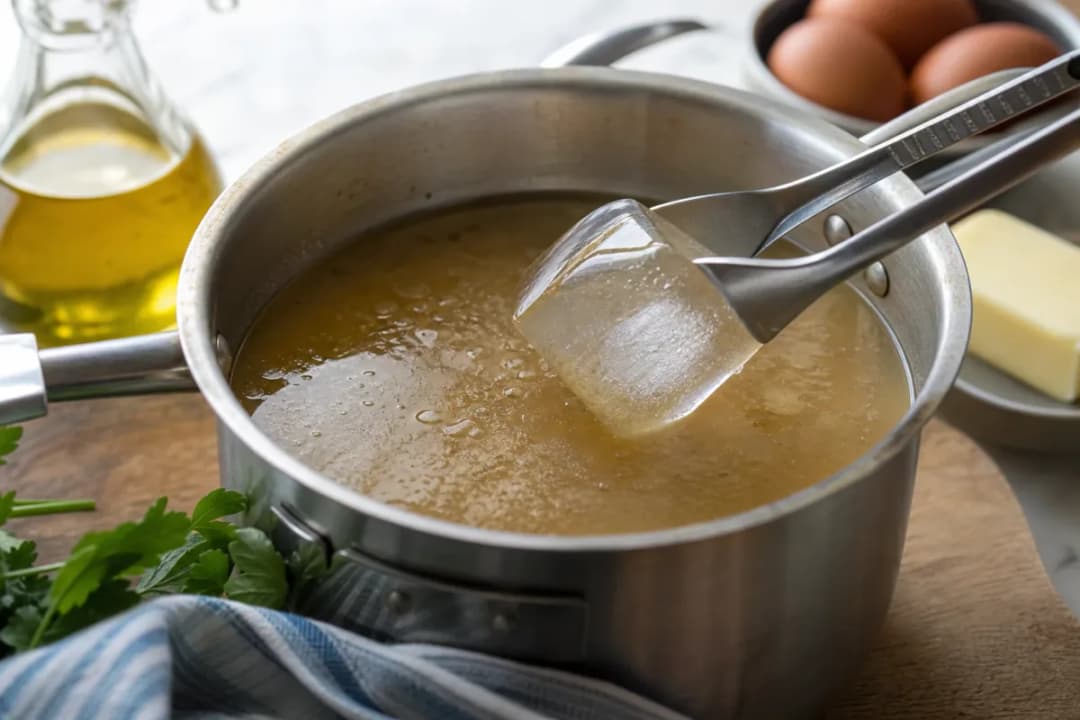
- Ice bath: Immediately transfer the blanched vegetables to a bowl of ice water to stop the cooking process. Leave them for 3-5 minutes.
- Drain and serve: Once cooled, drain the vegetables and they're ready to use or serve.
Comparison of Cooking Times for Common Vegetables
| Vegetable | Blanching Time | Notes |
|---|---|---|
| Broccoli | 2-3 minutes | Cut into florets for even cooking |
| Green beans | 2 minutes | Trim ends before blanching |
| Asparagus | 1-2 minutes | Trim tough ends |
| Peas | 1-2 minutes | Use fresh or frozen |
| Spinach | 1 minute | Cook in batches if needed |
Pro Tips
- Use a timer: To avoid overcooking, set a timer for the blanching time.
- Don’t overcrowd the pot: Cook vegetables in batches if needed to maintain water temperature.
- Save the blanching water: Use the leftover salted water for cooking pasta or making a vegetable broth for added flavor.
- Experiment with seasoning: Try adding herbs or spices to the boiling water for an additional flavor boost.
Safety Note
When preparing vegetables, ensure they are thoroughly washed to remove any dirt or pesticides. Also, avoid cross-contamination by using separate cutting boards for raw meats and vegetables.
Conclusion
Using the salted boiling water technique is an effective way to keep your vegetables looking and tasting their best. Try it out to enhance your cooking and impress your guests with vibrant, flavorful dishes.
Frequently Asked Questions
- How long should I blanch my vegetables?
- Blanching time varies by vegetable; typically, it's **1-3 minutes**.
- Why add salt to boiling water?
- Salt enhances flavor and helps retain the vibrant color of the vegetables.
- Can I use this method for frozen vegetables?
- Yes, but reduce the blanching time slightly since they're partially cooked.
- What's an ice bath?
- An ice bath is a bowl of ice water used to stop the cooking process immediately after blanching.
- What vegetables benefit most from this technique?
- Vegetables like broccoli, green beans, and asparagus benefit greatly from this method.