Tips & Tricks
How to Stop Pasta from Sticking Without Oil
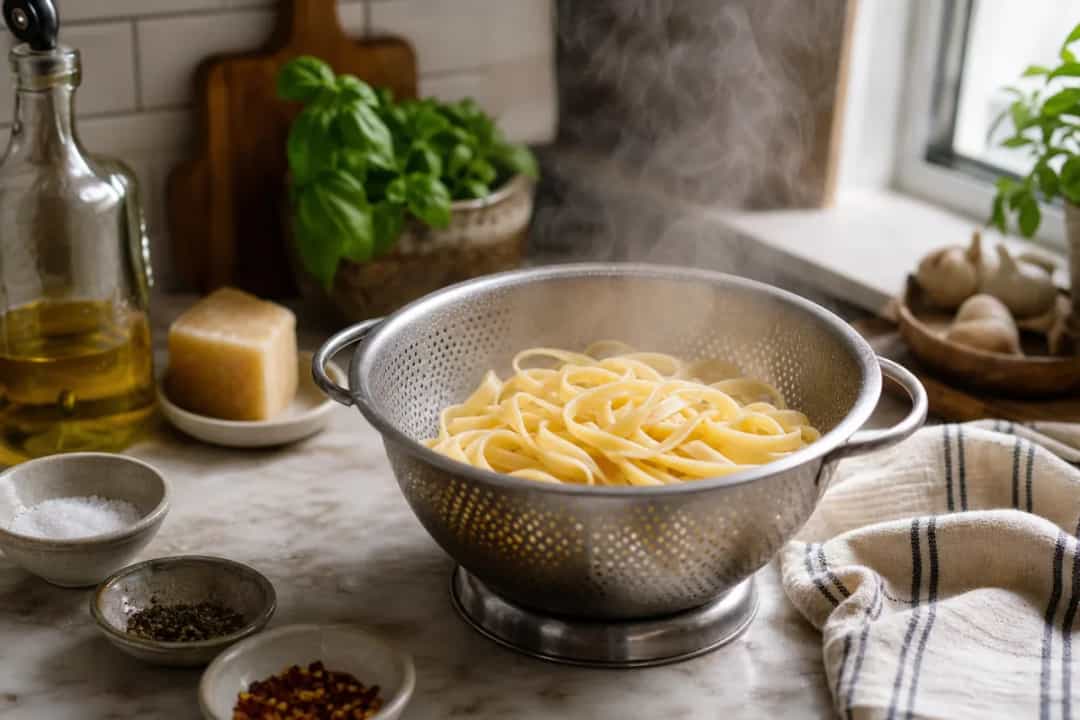
When cooking pasta, many home cooks turn to oil to prevent sticking. However, using oil can prevent sauces from adhering properly. Instead, there are effective methods to keep your pasta smooth and separate without compromising flavor or texture.
Use Plenty of Water
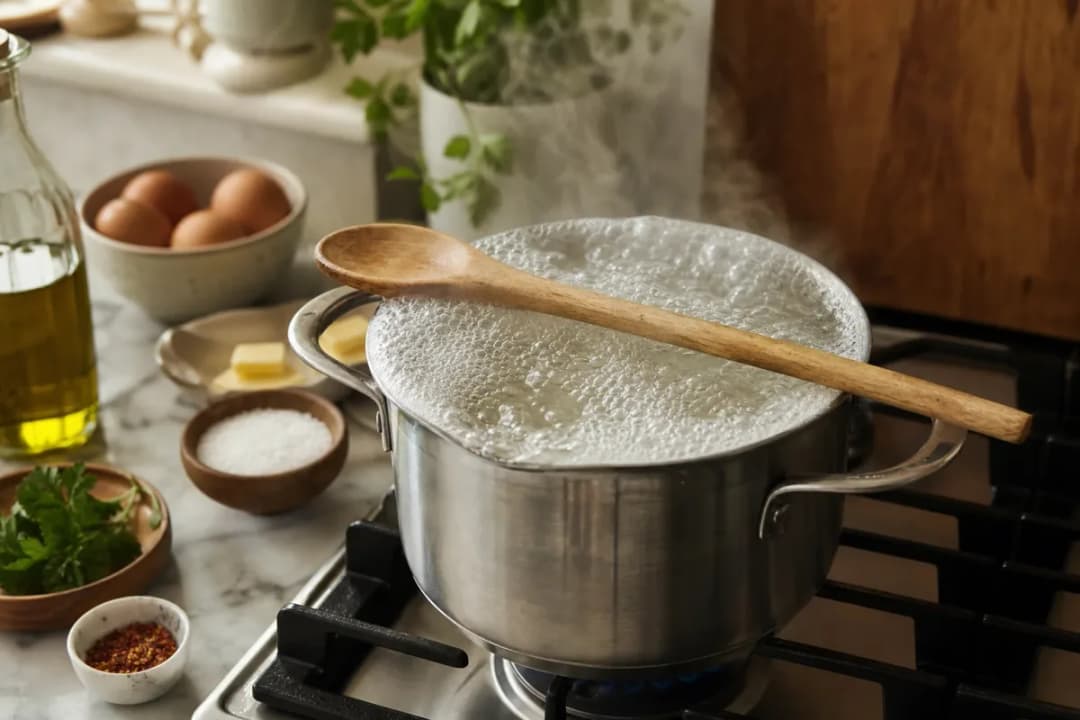
Cooking pasta in a large pot of water is crucial. Here’s why:
- Water Ratio: Use at least 4-6 quarts of water for every pound of pasta.
- Boiling Point: A larger volume of water maintains a higher boiling temperature, reducing the chances of pasta sticking together.
- Surface Area: More water creates a greater surface area for the pasta to move freely, preventing clumping.
Stir Frequently
Stirring your pasta can help keep it from sticking together:
- First Few Minutes: Stir the pasta during the first two to three minutes of cooking, as this is when it's most likely to stick.
- Use a Long Spoon: A long-handled spoon or pasta fork works best for reaching deep into the pot.
- Check for Clumping: Keep an eye on the pasta; if you notice it starting to stick, give it another stir.
Rinse After Cooking (if needed)
If you're not serving the pasta immediately, rinsing can help prevent sticking:
- Cold Water Rinse: Drain your pasta and rinse it under cold water for about 30 seconds. This will stop the cooking process and remove excess starch.
- This is Ideal for: Pasta salads or dishes where you want to keep the pasta separate prior to adding sauce.
Timing is Key
Proper cooking time is essential to achieve the best texture:
- Al Dente: Aim to cook pasta until it’s al dente (tender but firm). This helps it retain its shape and reduces the chance of sticking.
- Follow Package Instructions: Cooking times vary by pasta shape, so check the package for guidance.
| Pasta Type | Cooking Time | Notes |
|---|---|---|
| Spaghetti | 8-10 min | Check for al dente at 8 mins |
| Penne | 11-13 min | Great in baked dishes |
| Fusilli | 9-11 min | Twists help sauces cling |
Pro Tips
- Add Salt at the Start: Adding 1-2 tablespoons of salt to boiling water enhances flavor and can help keep pasta from sticking.
- Use a Large Pot: If you’re cooking a big batch, use a stockpot to ensure ample space for the pasta.
- Don’t Overcrowd: If using a smaller pot, cook in batches to avoid overcrowding, which can lead to sticking.
Safety Note
Always ensure your pasta is cooked to the appropriate internal temperature for safety, especially if adding to dishes that will be kept warm.
Conclusion
By using ample water, stirring frequently, and timing your cooking perfectly, you can prevent pasta from sticking without the need for oil. Try these tips to elevate your pasta cooking game and enjoy perfectly separated noodles every time.
Frequently Asked Questions
- What is the fastest answer for “How to Stop Pasta from Sticking Without Oil”?
- To stop pasta from sticking, use plenty of water and stir occasionally during cooking. Rinse cooked pasta under cold water if not serving immediately.
- Does this tip work in a home kitchen?
- Yes — it is written for US home cooks with standard tools, fridge space, and grocery ingredients. No restaurant equipment required.
- Any safety or quality mistakes to avoid?
- Always ensure your pasta is cooked to the appropriate internal temperature for safety, especially if adding to dishes that will be kept warm.