Tips & Tricks
How to Test Oil Temperature Without a Thermometer
Learn how to test oil temperature using the wooden spoon method. Perfect for frying without a thermometer.
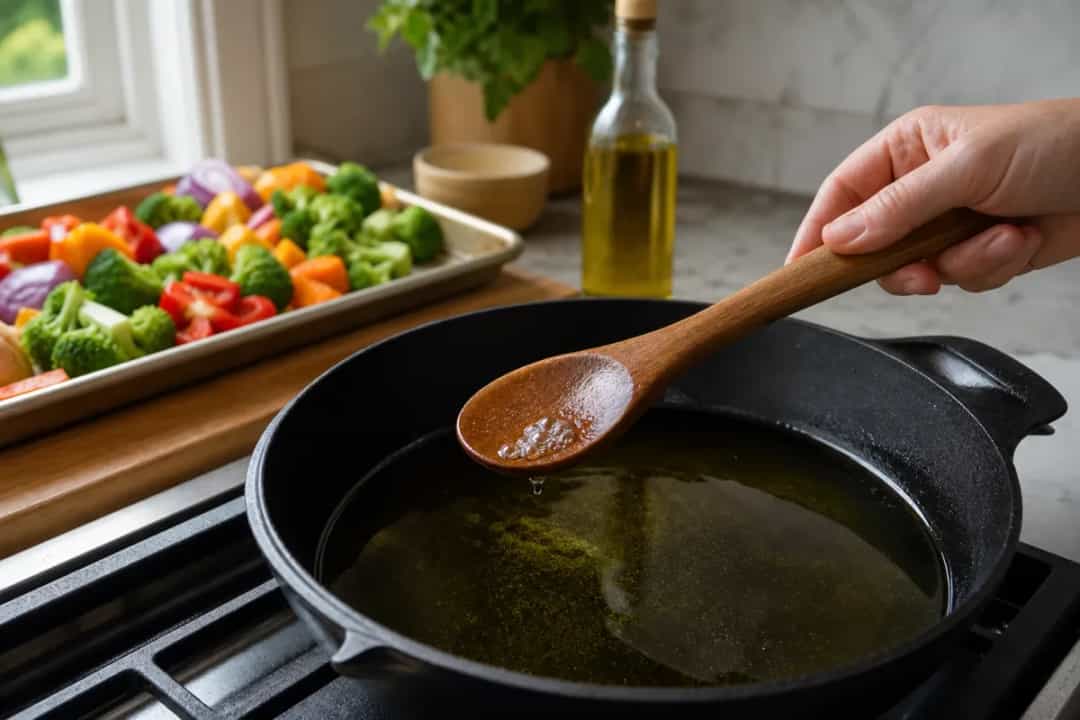
When frying, knowing the right oil temperature is crucial for achieving crispy, golden results. Many home cooks rely on thermometers, but what if you don’t have one? The wooden spoon method is a simple and effective way to test oil temperature, ensuring your fried foods come out perfectly every time.
Why This Matters
Using the right oil temperature makes a significant difference in texture and flavor. Oil that’s too hot can burn food, while oil that’s too cold can lead to greasy, soggy results. Mastering this method can help you avoid these common kitchen pitfalls.
The Wooden Spoon Method
This technique involves using a wooden spoon to gauge oil temperature. Here’s how to do it:
Step 1: Prepare Your Oil
- Pour your oil into a deep frying pan or pot, filling it about 1-2 inches deep.
- Heat the oil on medium heat.
Step 2: Use the Wooden Spoon
- Take a wooden spoon and dip the handle into the oil.
- Observe the reaction:
- Bubbles Forming: Small bubbles will start to form around the handle when the oil is around 325-350°F, which is ideal for frying delicate items like vegetables.
- Rapid Bubbles: If you see a steady stream of bubbles, the oil is about 350-375°F, perfect for frying meats and doughnuts.
- No Bubbles: If no bubbles appear, the oil is not hot enough; increase the heat and wait a few more minutes.
Step 3: Fry Your Food
- Once the appropriate temperature is reached, carefully add your food to the oil.
- Avoid overcrowding the pan, which can lower the oil temperature.
Pro Tips
- Keep It Steady: Maintain a consistent heat level while frying. If the oil temperature fluctuates, adjust the heat accordingly.
- Use Fresh Oil: Old oil can affect the taste and frying quality. Always use fresh oil for the best results.
- Test with a Small Amount: If unsure, test fry a small piece of your food first to gauge the temperature further.
Safety Note
Always be cautious when working with hot oil. Use long utensils to avoid splatters, and keep a fire extinguisher nearby. Do not leave hot oil unattended, and let it cool down completely before disposing of it.
Conclusion
The wooden spoon method is a reliable and accessible way to test oil temperature without a thermometer. Try this technique next time you're frying, and enjoy delicious, perfectly cooked dishes every time!