Tips & Tricks
How to Keep Pie Crust from Getting Soggy
Learn effective tips to prevent your pie crust from turning soggy, ensuring a perfectly flaky base for your favorite pies.
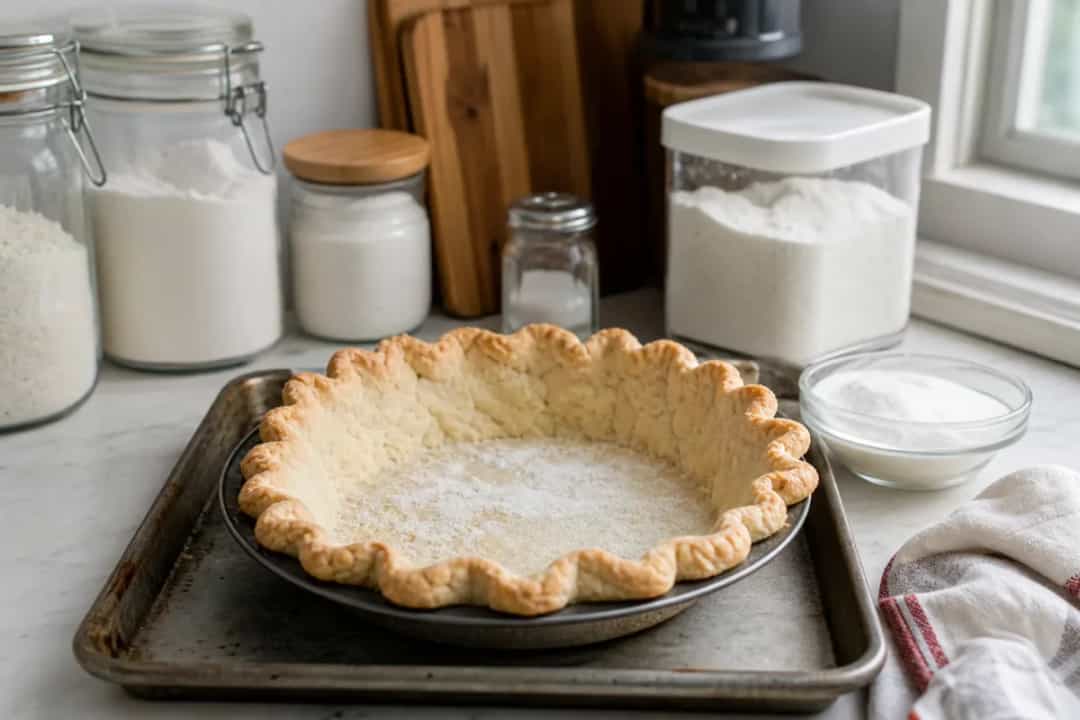
A soggy pie crust is a common kitchen dilemma that can ruin even the best fillings. Whether it’s fruit, custard, or cream, you deserve a flaky, golden base to complement your delicious pie. Here are some effective methods to ensure your crust stays crispy and delightful.
Pre-baking the Crust
Pre-baking or blind baking is a crucial step to prevent sogginess, especially for custard and fruit pies.
Steps to Pre-bake:
- Prepare your crust: Roll out your pie dough and fit it into your pie dish.
- Chill the crust: Refrigerate for at least 30 minutes to firm up the dough.
- Cover with parchment: Place parchment paper over the crust and fill with pie weights or dry beans.
- Bake: Preheat your oven to 350°F and bake for 10-15 minutes. Remove the weights and bake for an additional 5-10 minutes until lightly golden.
Use a Barrier
Adding a barrier between the filling and the crust can significantly help prevent the sogginess.
Effective Barrier Options:
- Cornstarch: Sprinkle 1-2 tablespoons of cornstarch on the bottom of the crust before adding filling.
- Sugar: A light dusting of sugar can also help absorb excess moisture.
- Chopped nuts: Consider finely chopping nuts for a flavorful barrier that adds texture.
Choose the Right Filling
The type of filling can impact the sogginess of your pie crust. Use thicker fillings that don’t release as much moisture.
Tips for Filling:
- Fruit pies: Thicken fruit fillings with cornstarch or flour to help reduce moisture.
- Custard pies: Opt for recipes that require less liquid or include a thickening agent.
Cooling and Storing Your Pie
How you cool and store your pie can affect the crust's texture.
Cooling Tips:
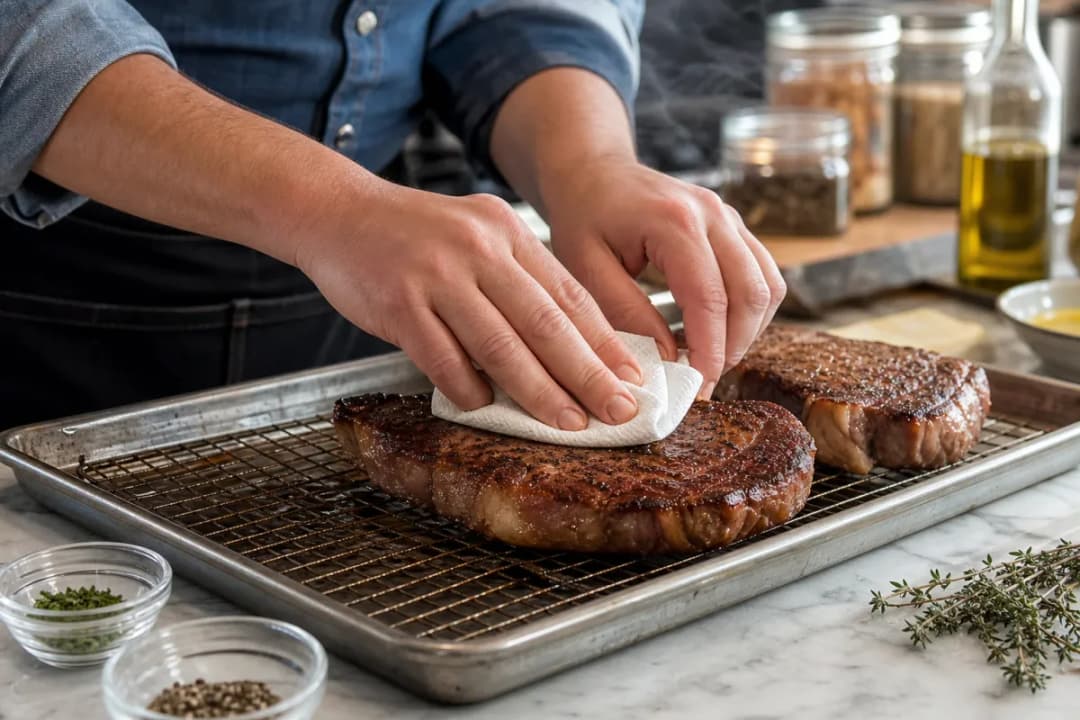
- Cool on a rack: Allow the pie to cool on a wire rack instead of leaving it in the pan. This prevents steam from getting trapped underneath.
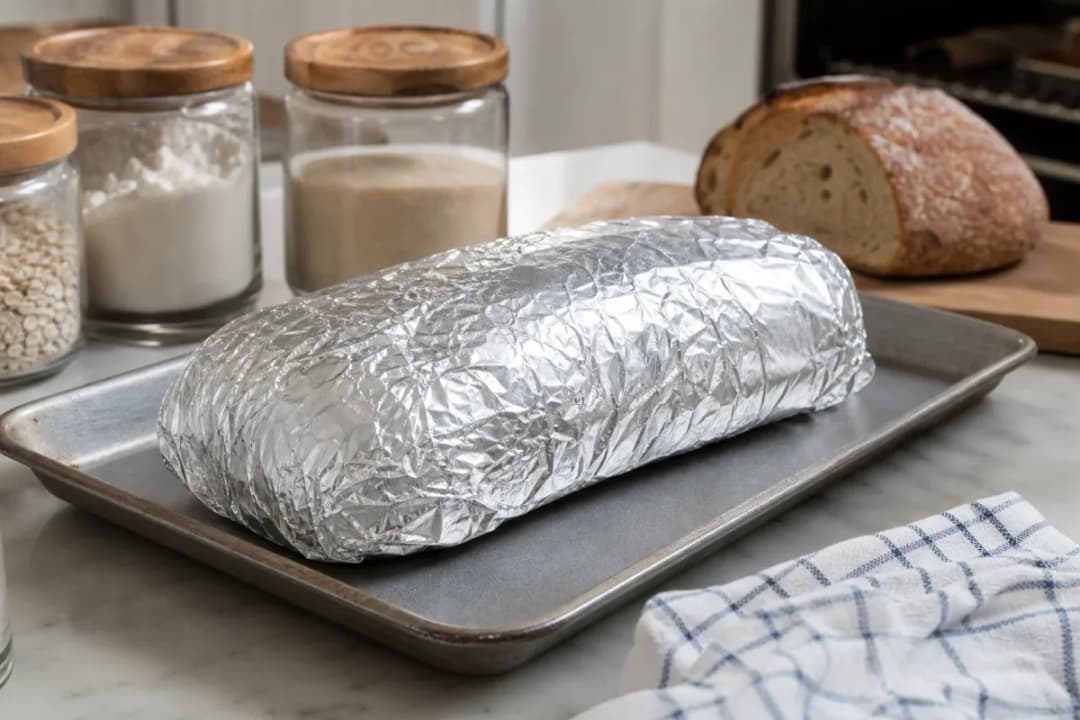
- Avoid plastic wrap: Wrap your pie loosely with foil instead of plastic to maintain crispness.
Pro Tips
- Use a metal or glass pie pan: These materials conduct heat better than ceramic, helping the crust to bake evenly.
- Try a vinegar pie crust: Adding a tablespoon of vinegar to your dough can help create a flakier texture that’s less prone to sogginess.
- Experiment with a lattice top: A lattice crust allows steam to escape, reducing moisture on the bottom.
Safety Note
Always ensure your pies are stored properly to avoid spoilage. For fruit pies, refrigerate after 2 hours at room temperature to prevent bacterial growth.
Conclusion
Preventing a soggy pie crust is achievable with a few key techniques. By pre-baking your crust, using a moisture barrier, and choosing the right filling, you can enjoy perfectly baked pies every time. Don’t hesitate to try these tips for your next baking adventure!