Tips & Tricks
Understanding Nigerian Cuisine: A Flavorful Journey
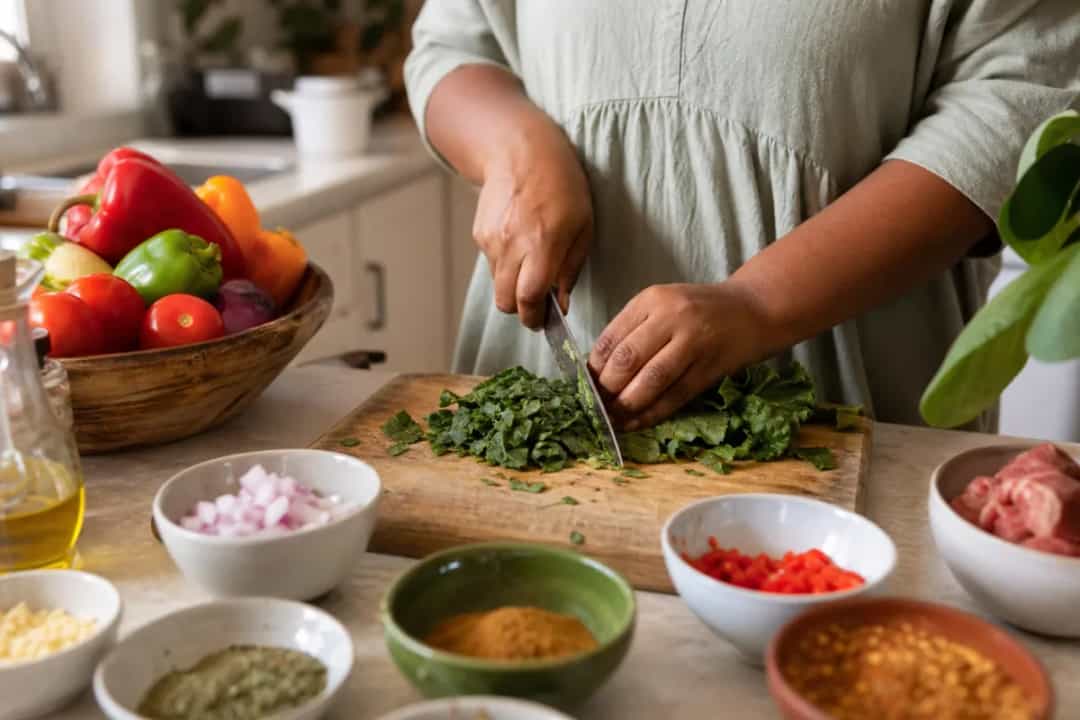
Nigerian cuisine offers a rich and intricate tapestry woven from centuries of cultural exchange and tradition. Each dish reflects the country's regional diversity, highlighting ingredients and cooking methods that tell a story. By delving into this cuisine, you not only learn about food but also about the history and values of the Nigerian people.
Key Ingredients
Nigerian cooking is characterized by its bold flavors and vibrant ingredients. Familiarizing yourself with these staples will enhance your culinary experience.
Common Ingredients
- Yams: A versatile tuber often used in soups or pounded into a smooth consistency.
- Beans: Commonly used in dishes like Moi Moi and Akara, providing a rich source of protein.
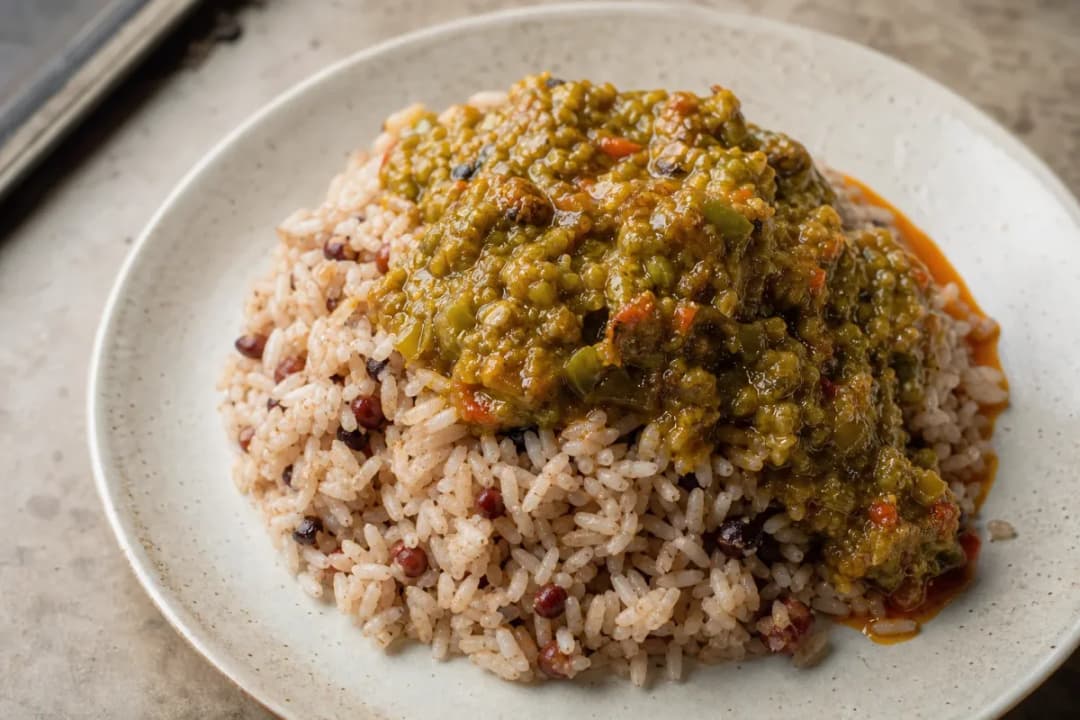
- Rice: A staple often served with various stews, especially Jollof Rice, a beloved dish.
- Peppers: Varieties like Scotch bonnet and habanero add depth and heat to many meals.
- Palm oil: A key fat in many traditional dishes, imparting a distinctive flavor.
Popular Dishes
Familiarize yourself with some signature dishes to appreciate the culinary landscape better.
Must-Try Meals
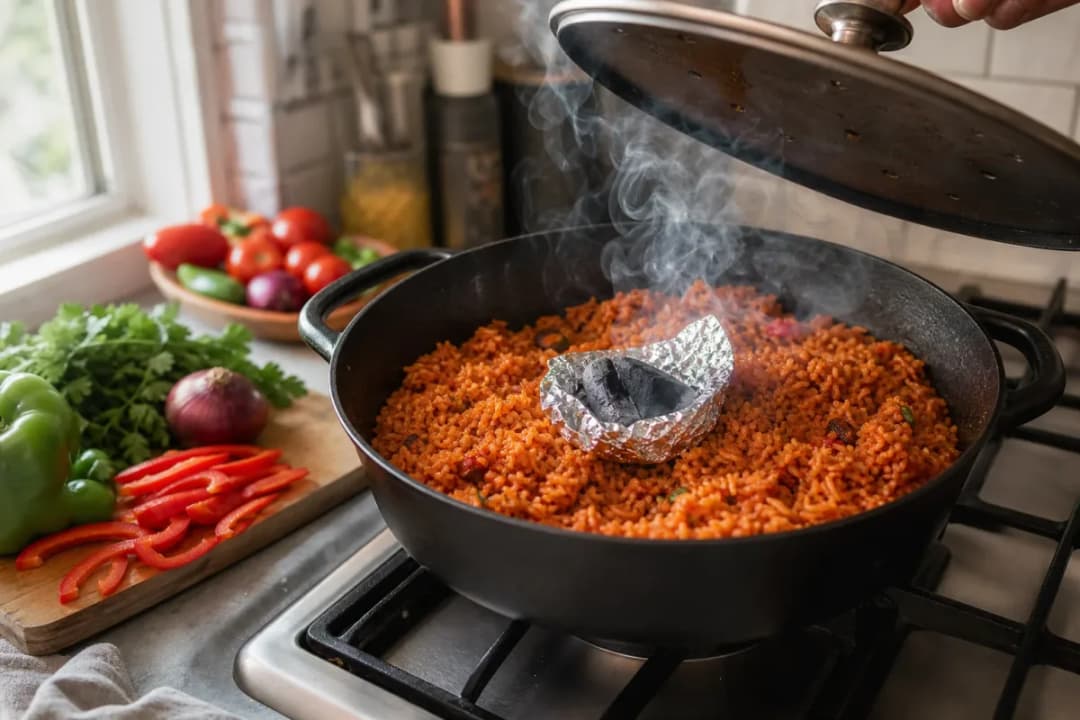
- Jollof Rice: A one-pot dish with tomatoes, onions, and spices, often served at celebrations.
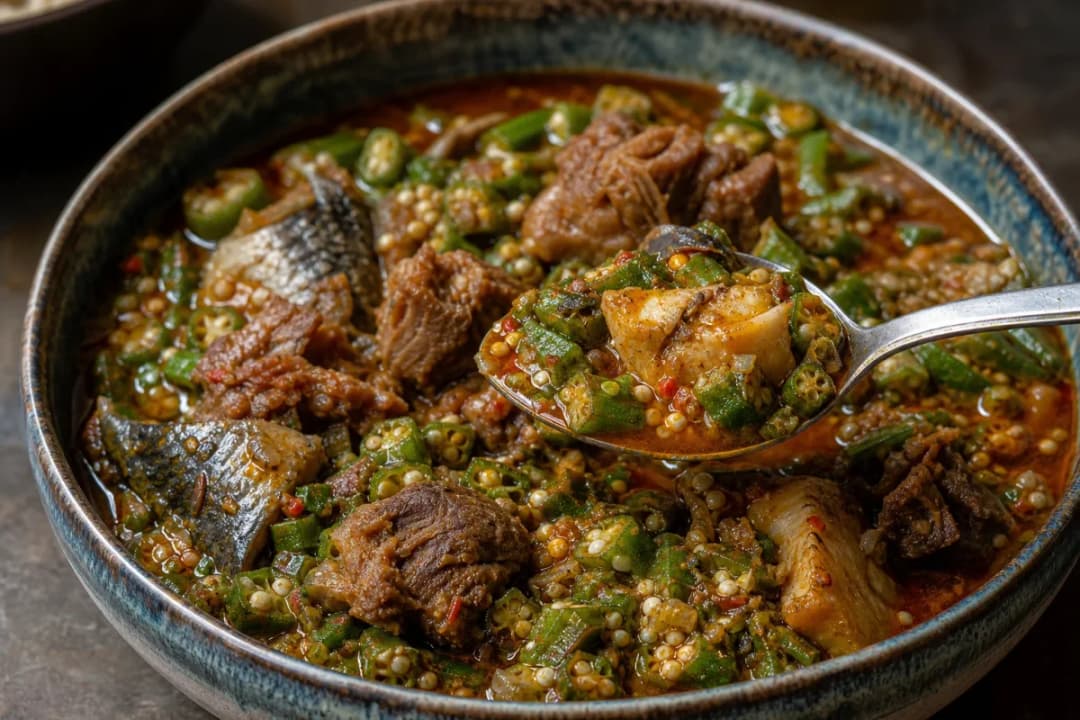
- Efo Riro: A spinach-based stew rich with peppers, often served alongside rice or fufu.
- Suya: Spicy meat skewer often enjoyed as street food, marinated with a blend of spices.
- Pounded Yam and Egusi Soup: A hearty combination that showcases the texture of pounded yam and the nutty flavor of ground melon seeds.
Flavor Profiles
Understanding the flavor architecture of Nigerian cuisine is essential for replicating its distinct taste.
Key Flavors to Explore
- Umami: Found in fermented locust beans (iru) and fish, adding depth to many dishes.
- Heat: Peppers provide not just spice but also a rich flavor base.
- Sweetness: Often balanced with savory elements, as seen in some stews.
Cooking Techniques
Mastering various cooking techniques can elevate your Nigerian dishes.
Essential Techniques
- Stewing: A common method for combining ingredients with spices and sauces, creating complex flavors.
- Frying: Used for making snacks like Akara and Puff Puff, ensuring a crispy texture.
- Boiling: Essential for cooking yams and beans to the right consistency.
Pro Tips
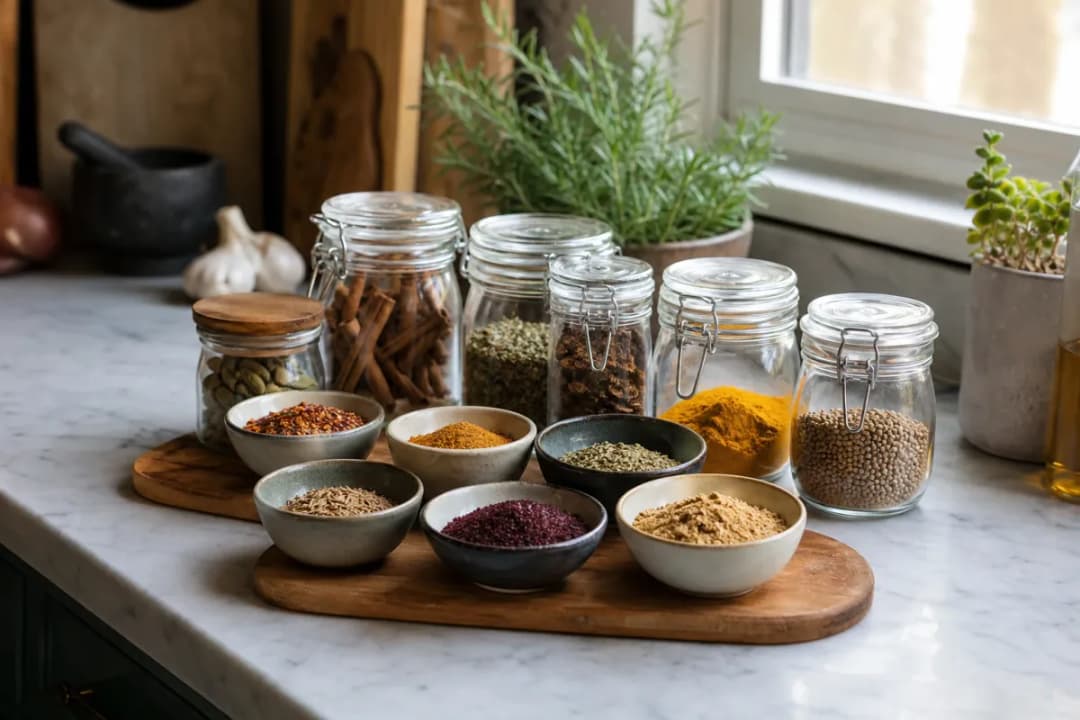
- Experiment with flavors: Don’t hesitate to mix different spices to find your preferred balance.
- Use fresh ingredients: The quality of ingredients dramatically affects the final dish’s taste.
- Pay attention to timing: Cooking time can alter the flavor profile, especially with stews and rice.
Safety Note
When preparing traditional Nigerian dishes, be mindful of cross-contamination, especially when using raw meats and seafood. Always wash hands and surfaces thoroughly.
Conclusion
Understanding Nigerian cuisine opens up a world of flavors and culinary traditions. Explore these tips to deepen your appreciation and cooking skills in this vibrant culinary landscape.
Frequently Asked Questions
- What are the staples of Nigerian cuisine?
- Common staples include yams, rice, beans, and various types of peppers, each contributing distinct flavors.
- Why is Jollof rice so popular?
- Jollof rice is a favorite due to its rich flavor, versatility, and cultural significance in celebrations.
- How do I make Nigerian stews?
- Nigerian stews typically involve simmering a blend of tomatoes, peppers, and spices, with proteins like chicken or beef.
- What defines the flavors of Nigerian cuisine?
- Key flavor components include umami from fermented ingredients, heat from peppers, and a balance of sweetness.
- What cooking techniques are common in Nigerian dishes?
- Popular techniques include stewing, frying, and boiling, each essential for achieving the right textures and flavors.