Pro Techniques
How to Prevent Seized Chocolate with Liquids
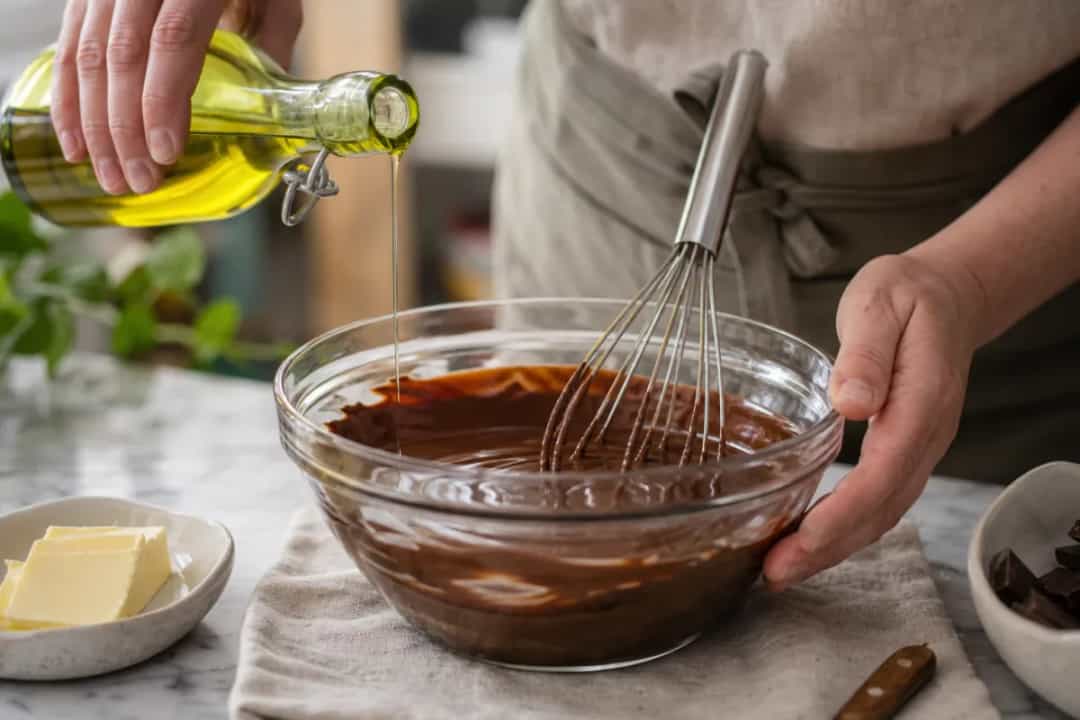
Melted chocolate is a versatile ingredient in many desserts, but adding liquids can pose a challenge. When water or moisture is introduced, chocolate can seize, turning it into a grainy mess. Understanding the science behind chocolate can help you avoid this common kitchen dilemma.
Choosing the Right Liquids
- Oil-based extracts: Use oils or flavored extracts, such as vanilla or almond, that contain no water.
- Avoid water: Stay away from anything that has significant water content, like juices or creams, until you're familiar with the techniques.
Gradual Additions
- Slowly introduce liquids: If you must use a liquid with water (like cream), add it slowly in small amounts while vigorously stirring the chocolate.
- Temperature control: Maintain chocolate at a temperature of 90°F to 95°F while adding the liquid to avoid sudden changes.
Melting Techniques
- Double boiler method: Use a double boiler for gentle, even heating. This minimizes the risk of overheating and helps maintain a smooth consistency.
- Microwave method: If using a microwave, heat in 30-second intervals at medium power, stirring after each interval until just melted.
| Item | Amount | Notes |
|---|---|---|
| Water | 1 tbsp | Causes chocolate to seize |
| Oil-Based Extract | 1 tsp | Safe for adding |
| Heavy Cream | 1 tbsp | Add gradually, stir well |
Pro Tips
- Use a whisk: A whisk can help emulsify the chocolate and liquid better than a spoon.
- Temperature checks: Always check your chocolate’s temperature before introducing any liquids to minimize the risk of seizing.
- Keep it dry: Ensure all utensils and bowls are completely dry before working with chocolate.
Safety Note
When working with chocolate, ensure that it doesn’t come into contact with water, as even a small amount can cause it to seize. If you accidentally seize chocolate, you can try adding a bit of warm coconut oil to rescue it, but the texture may still be affected.
Conclusion
With these tips, you can confidently add flavored liquids to your melted chocolate without fear of seizing. Experiment with different oil-based flavors to elevate your chocolate creations and enjoy smooth, delicious results every time.
Frequently Asked Questions
- What causes chocolate to seize when adding liquids?
- Chocolate seizes when water or moisture is introduced, causing it to clump and lose its smooth texture.
- Can I fix seized chocolate?
- You can try adding a small amount of warm coconut oil to rescue seized chocolate, but results may vary.
- What temperature should melted chocolate be when adding liquids?
- Aim for a temperature between 90°F and 95°F before gradually adding any liquids.
- Why is oil-based flavor better for chocolate?
- Oil-based flavors do not contain water, which helps prevent the chocolate from seizing.
- How can I melt chocolate without seizing?
- Use a double boiler or microwave at low power, stirring frequently, and keep utensils dry.